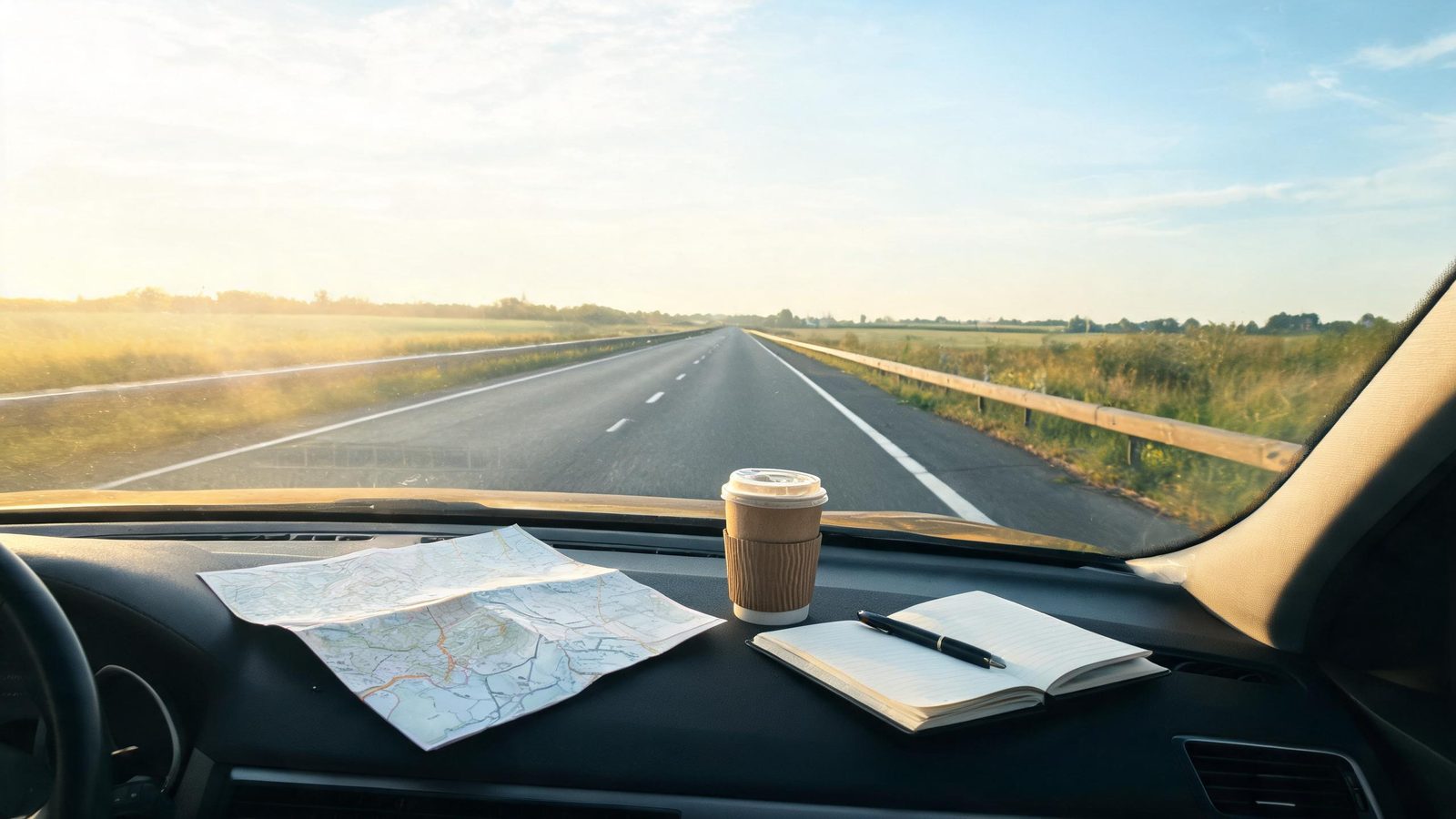
Road trip budgets usually start with fuel and stop there. The fuel estimate is easy to calculate, so it becomes the whole plan. Then the tolls arrive, the parking garage charges by the hour, the car needs an oil change, and the food budget doubles because every stop is a convenience store.
A useful budget has three layers: the costs you can calculate, the costs you can estimate, and the costs you hope do not happen. Build all three before you leave.
Fuel and distance on a road trip budget
Start with the total miles. Divide by your car's real highway mpg, not the window sticker. Multiply by the current price per gallon in the states you will cross. Add 10 percent for detours, idling and traffic.
Example: 1,200 miles at 28 mpg is about 43 gallons. At $3.50 per gallon, that is roughly $150. Add 10 percent and the planning number is $165. Your numbers will differ; the formula is the point.
Fuel prices change by state and by station. A highway exit station is usually more expensive than a station a few miles into town. Use an app or a map to compare before you fill up. Do not drive far out of the way to save a few cents per gallon.
The costs a road trip budget hides
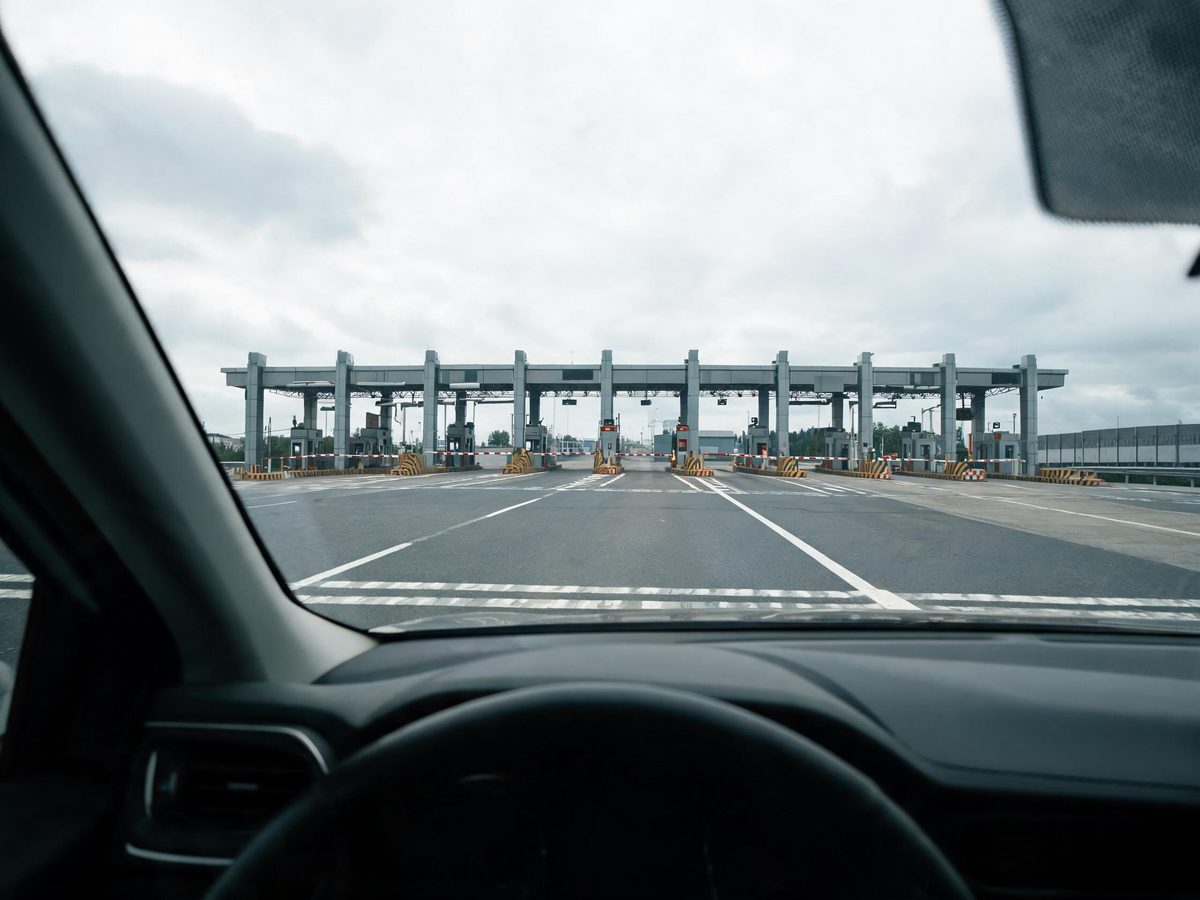
Tolls. Some states charge by the section, some by the bridge, some by the mile. A rental car may come with a transponder and a daily fee. Check the rental agreement before you assume tolls are included.
Parking. Hotel parking can cost more than the room in a downtown area. Attractions charge by the hour. A free street spot may be a permit zone after 6 p.m. Read the signs.
Food. Restaurant meals are only part of it. Coffee, snacks, water and a roadside ice cream stop add up. Set a daily food number and keep a running total.
Lodging taxes. The rate you see online may not include local taxes and resort fees. Check the total before you book.
Laundry and showers. On a long trip, a laundromat and a campground shower are real line items. They are cheaper than replacing clothes or skipping a shower.
The repair fund in a road trip budget
Cars break on long trips. A tire, a battery, a brake issue or a cracked windshield can turn a short repair stop into a major expense. Set aside a repair fund before you leave. A few hundred dollars is a reasonable starting point for an older car, but the right number depends on the age of the vehicle and the remoteness of the route.
Check the tires, fluids, brakes and battery before you leave. An inspection at that stage is cheaper than most roadside repairs. Carry a tire pressure gauge, a jumper cable or jump pack, a flashlight and water.
If the car is a rental, check the roadside assistance and the damage coverage. A credit card may cover the rental damage, but the terms are specific. Read them before you decline the rental company's coverage.
A simple road trip budget worksheet
| Line | How to estimate |
|---|---|
| Fuel | Total miles ÷ real mpg × price per gallon, plus 10 percent |
| Tolls | Route planner estimate, plus a buffer for rental transponder fees |
| Parking | Hotel rate per night plus attraction parking per day |
| Lodging | Nightly rate with taxes and fees, not the headline rate |
| Food | Daily number per person, including coffee and snacks |
| Activities | Ticket prices plus a buffer for a sold-out upgrade |
| Repairs | Set-aside amount, not a hope |
| Buffer | 10 to 15 percent of the total |
The total is a planning number, not a prediction. The goal is to know which line is flexible. If the trip runs over, you can cut a restaurant, not the repair fund.
Spending less without ruining a road trip
- Stay outside the center. A motel 20 minutes from downtown often costs less and includes parking.
- Cook one meal a day. A cooler, a grocery store and a picnic table cut the food budget without cutting the experience.
- Use a park pass. If you visit several federal sites, an annual pass may cost less than the individual fees.
- Book direct. Hotel loyalty rates and direct booking can beat third-party sites, but compare the total with taxes.
- Drive the speed limit. Fuel economy drops quickly at high speed, and a speeding ticket is a budget line you cannot plan for.
After the road trip
Add up the envelope and compare it with the plan. The difference is your real cost, and it makes the next trip easier. Keep the worksheet. A road trip budget is not a one-time document; it is a record of how your car and your habits actually behave.
Keep the worksheet, compare it with the receipts, and move the difference into the next trip repair fund. A budget that survives one bad toll is more useful than one that assumes none.
Sources and further reading
About the author
Dana Whitfield
Dana writes about rail, road trips and public lands, with an eye for plans that survive contact with reality. She keeps a running list of campgrounds worth a second visit.
Travel and public lands · Portland, Oregon