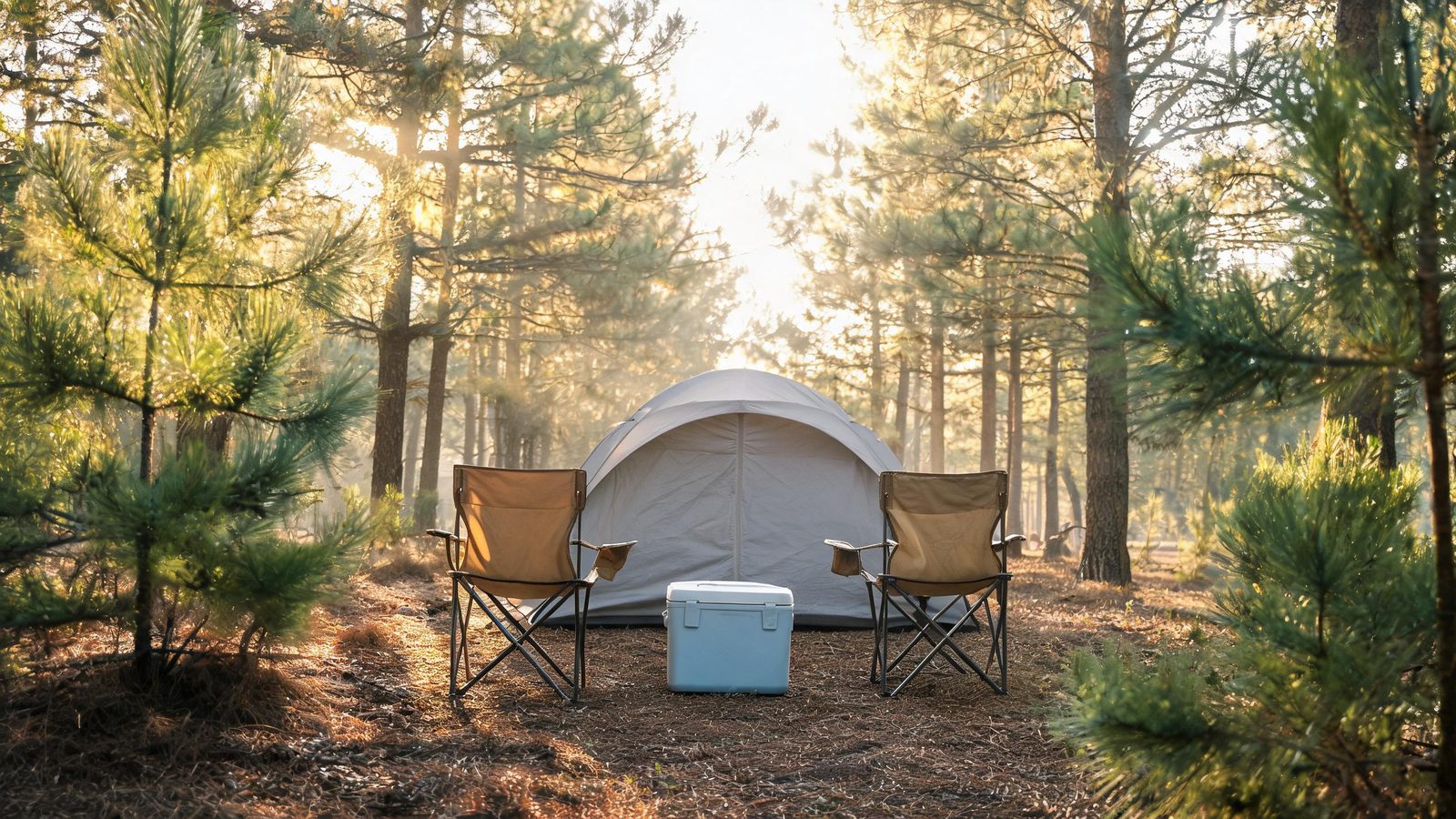
The first camping trip is usually a borrowing project. A tent from a friend, a sleeping bag from a relative, a cooler from the kitchen, and a stove that may or may not work. The gear does not have to be perfect. The plan does.
Start at a developed campground with a picnic table, a fire ring and a bathroom. You can learn how to sleep outside without also learning how to filter water and dig a cathole. Save the backcountry for the second or third trip.
Borrow or rent gear for a first camping trip
Tent. A three-season tent with a rain fly and a footprint. Set it up in the yard before you leave. A tent that is missing a pole or a stake is better discovered at home.
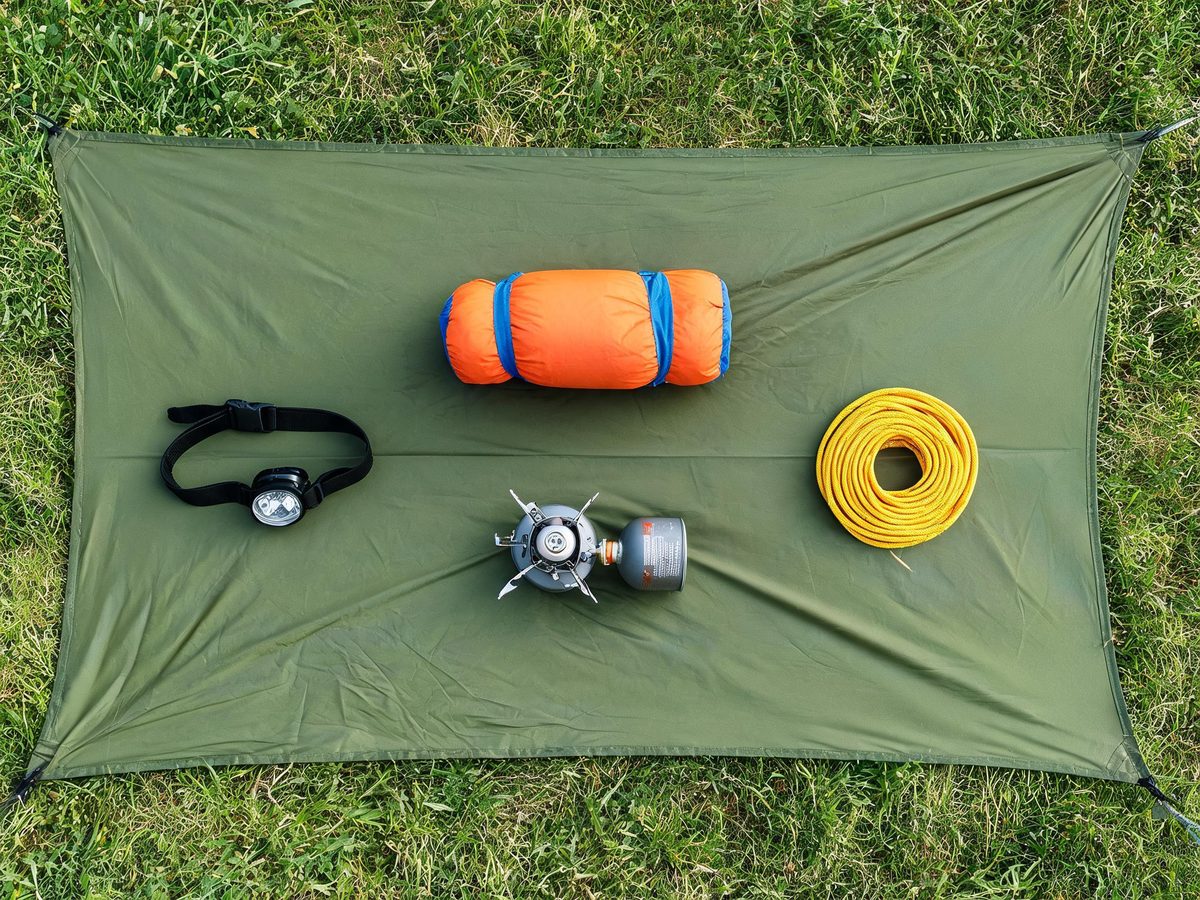
Sleeping bag. Match the bag to the low temperature, not the daytime forecast. A 40-degree bag may be too thin for a 30-degree night, depending on the sleeper and the pad. Add a sleeping pad; the ground steals heat.
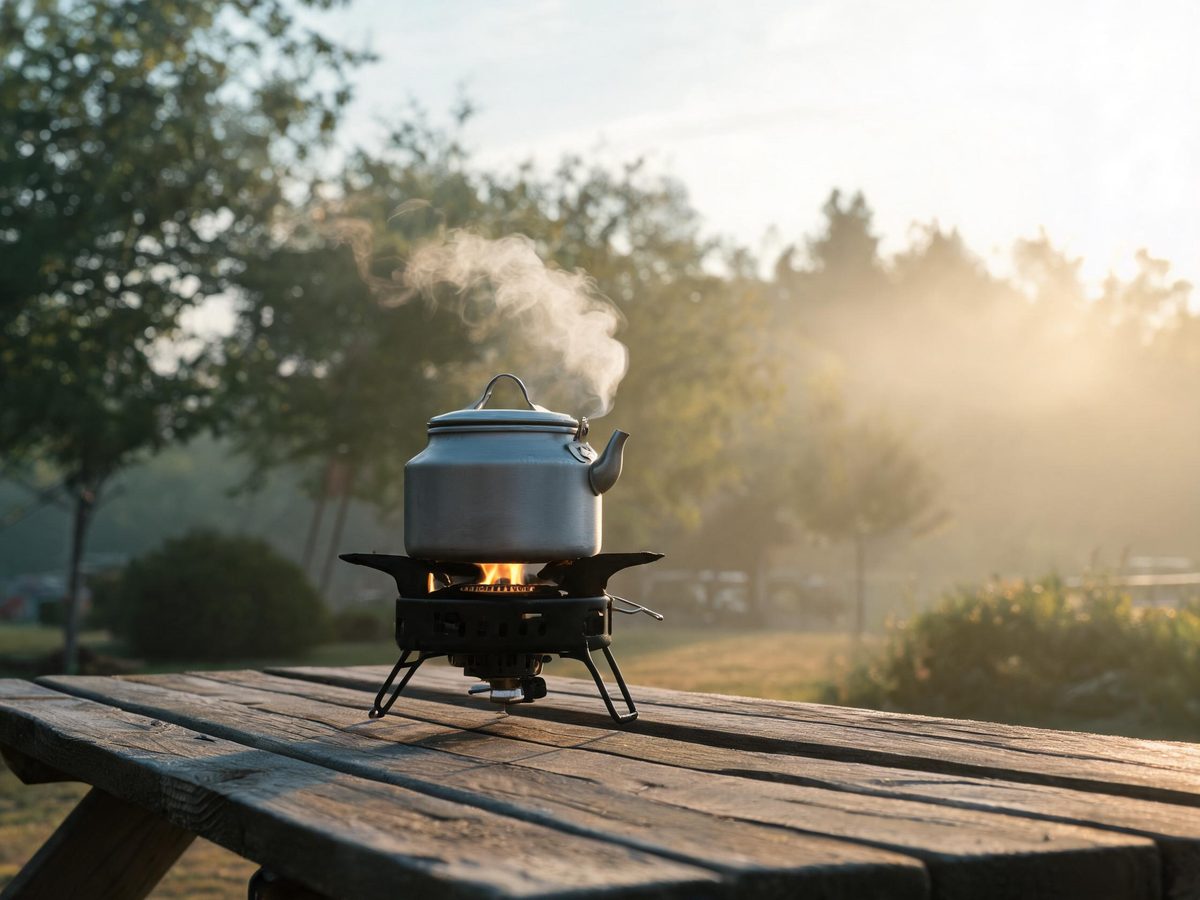
Stove and fuel. A simple two-burner camp stove or a backpacking stove. Check the fuel canister and the connection before you go. Do not cook inside a tent.
Cooler and water. A cooler for food, a water jug for drinking and washing. Bring more water than you think you need.
Light. A headlamp for each person, plus spare batteries. A phone flashlight is a battery drain and a hand occupancy.
Choosing a campground for a first camping trip
Look for a developed campground with these basics: a reservable site, a bathroom, potable water, a picnic table and a fire ring. A site with shade is better than a site with a view in July. A site near the bathroom is convenient but noisy; a site at the edge is quieter but darker at night.
Reserve ahead if the campground takes reservations. A first trip should not depend on finding a walk-in site on a Friday evening. Check the check-in time, the quiet hours and the checkout time.
Read the rules about pets, fires, alcohol and generators. A campground that allows generators may be loud. A campground with a fire ban may not allow the campfire you imagined.
Pack for the weather on a first camping trip
Check the forecast for the lowest night temperature and the chance of rain. Bring a rain jacket, a dry bag for clothes, and a tarp or a groundsheet. A wet sleeping bag ends the trip faster than a cold one.
Bring warm layers even in summer. Mountain nights can be cold. A wool hat and dry socks are worth more than a extra gadget.
If thunderstorms are forecast, have a plan to leave or to shelter in the car. A tent is not a safe place in a lightning storm. Check the ranger station or the campground board for local warnings.
Food and storage on a first camping trip
Plan simple meals: one-pot pasta, sandwiches, oatmeal, coffee. A first trip is not the time for a three-course dinner. Bring a small cutting board, a knife, a pot, a pan and a few utensils. Wash dishes away from the water source, and pack out the scraps.
Store food in sealed containers or a cooler. Do not leave food out overnight. In bear country, use a bear box or follow the campground's food storage rules. Keep snacks out of the tent. A bear that learns to associate tents with food is a danger to the next camper.
Bring a trash bag and pack out everything you bring in. A campground with a dumpster is convenient, but not every site has one.
The first night of a camping trip
Set up the tent on level ground, away from dead branches and low spots that collect water. Stake the corners and the fly. Put a groundsheet under the tent. Inflate the sleeping pad. Keep a headlamp and shoes near the door.
Build a small fire only if fires are allowed and you have water nearby. Keep the fire in the ring, do not leave it unattended, and put it out with water and a stir before bed. A fire that looks dead can still be hot.
Expect to sleep worse than at home. The sounds are different, the ground is hard and the temperature drops. That is normal. A first trip is a learning experience, not a test of comfort.
Leave No Trace in practice
Pack out trash, including food scraps and wrappers. Stay on trails and in established campsites. Do not cut live trees or damage rocks. Keep wildlife wild: do not feed animals, and store food securely. Leave the site cleaner than you found it.
These rules are not abstract. They keep the campground usable for the next person and the wildlife safe. A first camper who follows them is already a good camper.
The morning after a first camping trip
Coffee tastes better outside. Boil water, make a simple breakfast, and walk the campground loop. Check the site for trash and leftover food. Let the tent dry before you pack it, if the weather allows. A wet tent packed in a hurry can mildew.
One night at a developed campground, a simple meal and a dry sleeping bag are enough to learn what you would change. If the answer is yes, book the second trip before the gear goes back in the closet.
Sources and further reading
About the author
Dana Whitfield
Dana writes about rail, road trips and public lands, with an eye for plans that survive contact with reality. She keeps a running list of campgrounds worth a second visit.
Travel and public lands · Portland, Oregon