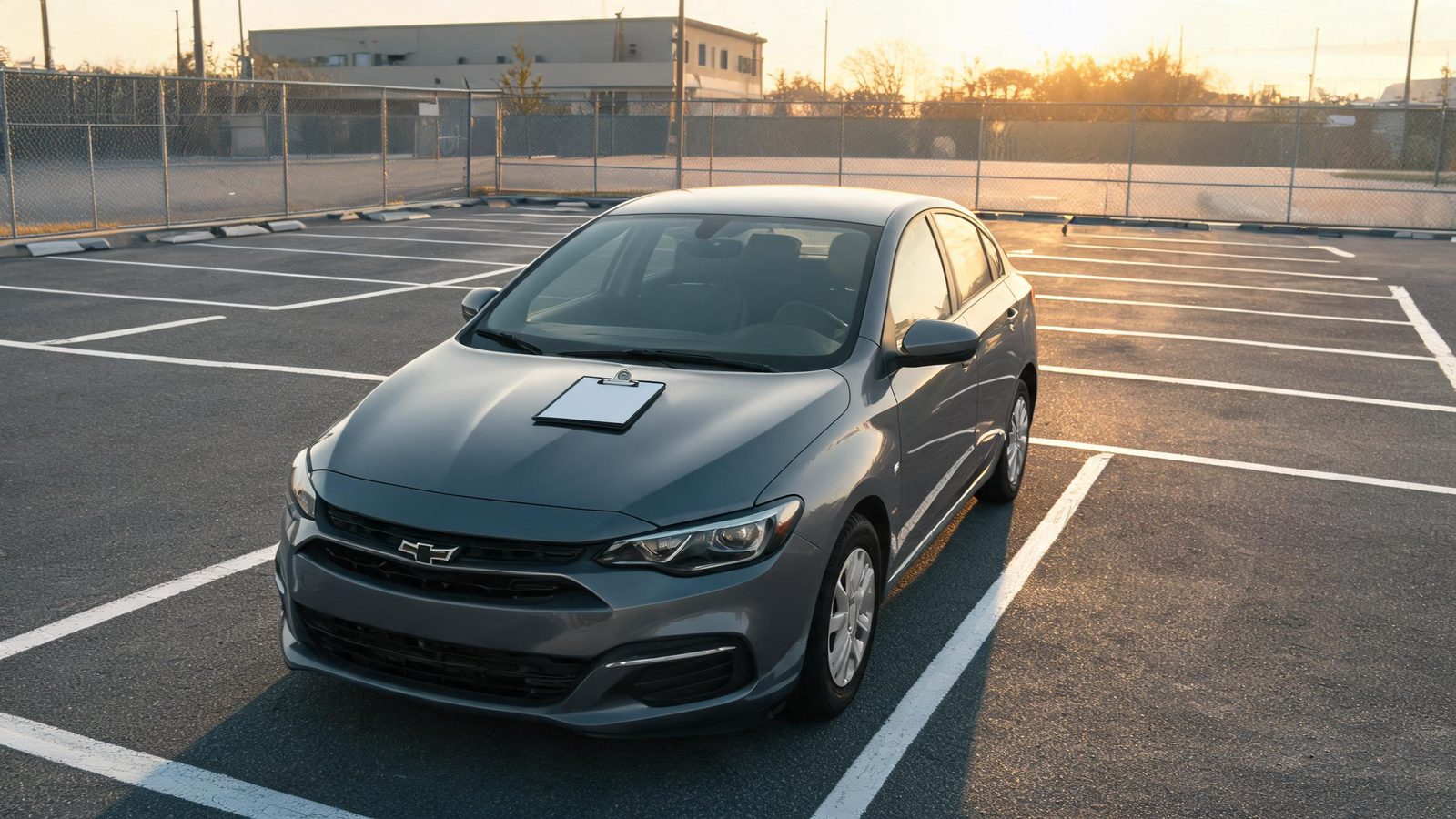
Most people walk out of the DMV road test certain they failed. They clipped a cone, forgot a signal, or let the car creep forward at a stop sign. The examiner, meanwhile, was scoring a different set of behaviors, many of which have nothing to do with how smoothly you parked.
The road test is a structured observation. Examiners use a score sheet with categories such as observation, speed control, lane position, signals, turns, intersection handling and parking. Point deductions stack up; a small number of critical errors end the test immediately. Understanding that structure turns a vague anxiety into a practice list.
What the DMV scorecard is actually measuring
State forms differ, but the categories tend to cover the same ground. An examiner is asking a simple question: can this person operate a car predictably around other people?
That is why a candidate who drives slowly and cautiously can still fail. Hesitation at a four-way stop, an unclear signal, or a lane change that surprises another driver all suggest the driver is not communicating. The test rewards visible, deliberate behavior.
| What the examiner sees | What it is checking |
|---|---|
| Eyes moving to mirrors before a lane change | Observation and scanning habits |
| A signal clicked before the brake, not after | Communication with other drivers |
| Full stop behind the limit line, then a look left and right | Intersection control and right-of-way |
| Hands steady at nine and three, small corrections | Steering control and lane position |
| Speed adjusted before a curve, not inside it | Planning and speed management |
Three road-test habits examiners notice
Scanning. New drivers tend to stare at the bumper of the car ahead. Examiners look for mirror checks and a visible turn of the head at intersections. You do not need to exaggerate to the point of distraction, but the check should happen before the action, not as a reaction.
Signaling early enough to matter. A signal should tell someone what you are about to do, not what you are doing. Click it before you brake for a turn, and cancel it after the turn is complete. A signal left on for three blocks is a deduction in many states.
Speed that matches the conditions. The speed limit is a ceiling, not a target. Examiners watch whether you slow for a residential intersection, a cyclist, or a tight turn. They also watch whether you hold a steady speed instead of pumping the accelerator.
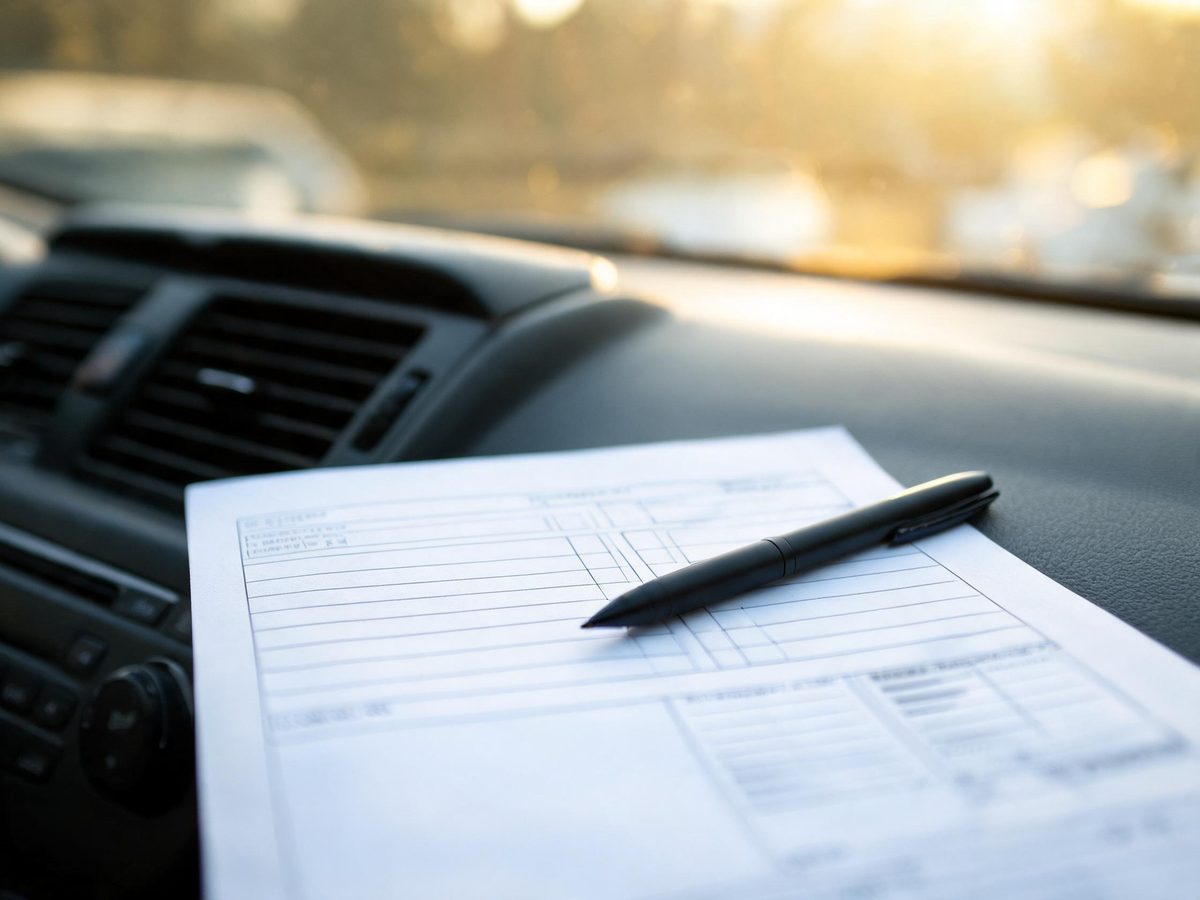
Where easy points disappear on the road test
Most failures are not dramatic. They are small omissions that repeat. A partial stop at a stop sign. A lane change without a mirror check. Parking too far from the curb. Failing to look over the shoulder before reversing.
- Rolling stops. Come to a complete stop, hold it long enough to look both ways, then proceed. A slow roll reads as a failure to obey the sign.
- Late braking. Brake before the intersection, not inside it. If you brake in the middle of a turn, the examiner feels the car unsettled.
- Wide turns. Turning into the wrong lane is a common deduction. Aim for the lane that matches your turn, and check the mirror after completing it.
- Forgetting the parking brake. If the test includes a hill start or a parking exercise, set the brake when you finish. Leaving the car in gear without it is a control error.
- Nervous chatter. Conversation is fine, but you can miss a instruction while talking. Repeat the instruction back if you need a second to process it.
The car check before the road test begins
Many states inspect the vehicle before the road portion. The list usually includes brake lights, turn signals, horn, headlights, seatbelts, windshield wipers, and a legal registration and insurance card. A cracked windshield or a burned-out brake light can cancel the appointment.
Do this check at home, not in the test line. Turn on every light, test the horn, and have a second person stand behind the car while you press the brake. Confirm the registration and insurance documents are current and in the car. If you are borrowing a vehicle, confirm the owner's permission and that the insurance covers you.
Automatic failures on the road test
The exact list lives in your state handbook, but the pattern is consistent. Examiners end the test if they must take control of the steering wheel or brake, if you disobey a traffic signal or sign, if you drive in a way that endangers the examiner or another road user, or if you leave the test route without permission. Hitting a curb during a parking maneuver may be a point deduction in one state and an automatic failure in another.
Ask your examiner to clarify the critical errors before you begin. Most will tell you the broad categories, even if they will not list every point value.
A week of practice before the road test
Do not practice the whole test every day. Break it into the three things examiners score most: observation, speed and communication.
- Two days of intersections. Drive a loop with four-way stops and unprotected left turns. Say aloud what you see: “pedestrian waiting,” “car on the right arrived first.”
- Two days of lane changes. Practice mirror, signal, head check, move. Do it in light traffic, then in moderate traffic.
- One day of parking. Use an empty lot with cones or water bottles. Practice the exact maneuver your state requires, including the final parking brake step.
- One day of the full route. Ask a licensed driver to ride with you and score you on a printed checklist. Do not correct mid-drive; review afterward.
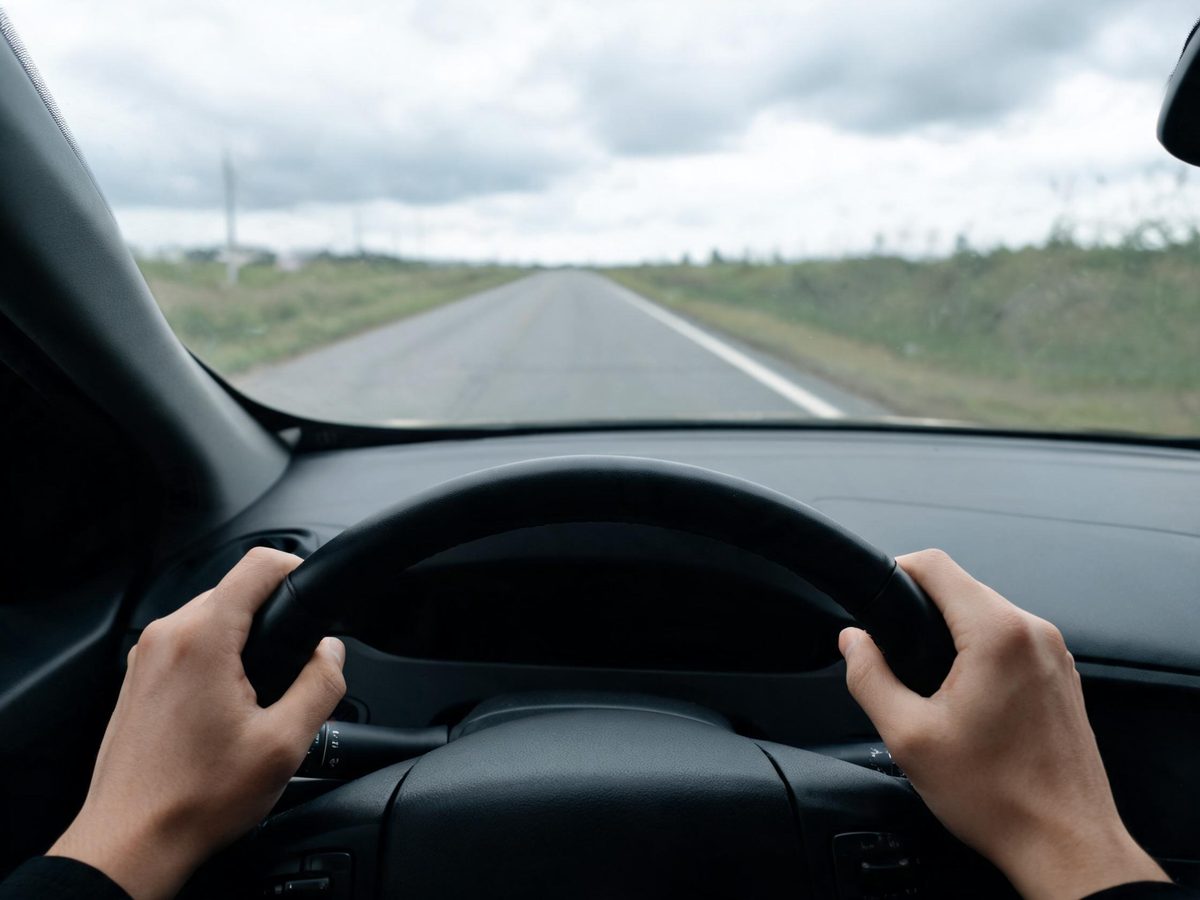
On the morning of the DMV road test
Arrive early enough to breathe. Bring the permit, the appointment confirmation, proof of insurance, and any state-specific documents. Put your phone away; a visible phone during the test can end it. Adjust the seat and mirrors before the examiner climbs in. Then drive the way you practiced: look, signal, slow, move.
If you make a mistake, keep driving. Examiners expect nerves. What they mark is whether you recover safely and keep scanning. Before you leave the lot, note which parts of the drive felt uncertain and practice those first. A retest is cheaper than a habit you never fixed.
Sources and further reading
About the author
Maya Ortiz
Maya reports on licensing, road rules and the paperwork that slows people down. Her work for Vextor Times focuses on what state agencies actually ask for, and what happens when a form is missing.
Driving and consumer rules · Sacramento, California