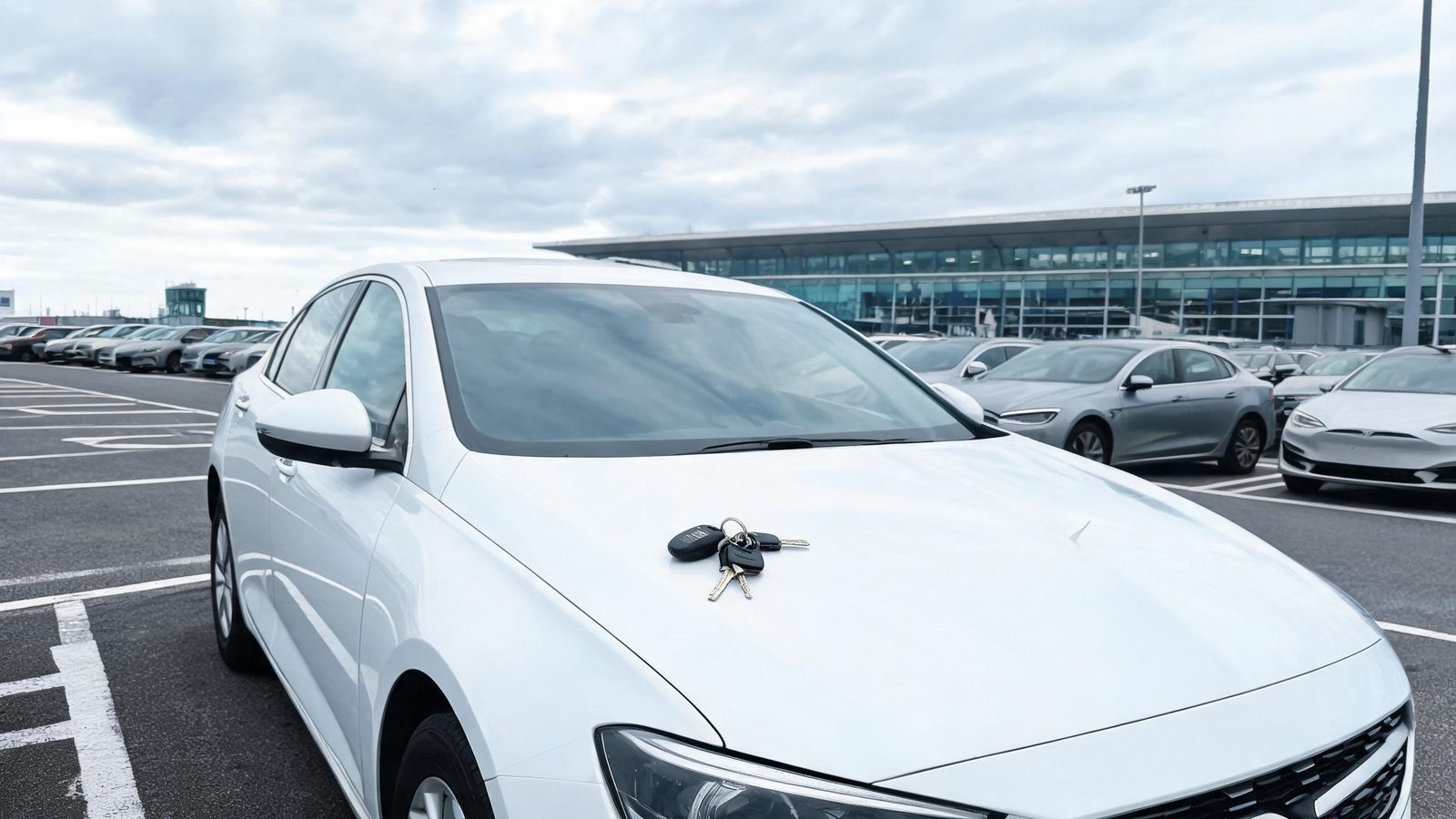
The question usually arrives two days before the test, after the borrowed car falls through. Can you rent a car and take the road test in it? The answer depends on three separate rules: what the rental company allows, what the DMV accepts, and what the insurance covers.
None of those rules is universal. A national rental brand may permit it at one location and refuse at another. A state may accept the car but require the renter's name on the registration. The only safe approach is to ask both parties before you pay.
What the road test rental car agreement says
Most standard rental agreements are written for ordinary travel, not driver testing. Some companies explicitly prohibit using the vehicle for a driving exam. Others allow it but require the renter to be the licensed driver and to show the agreement at the test.
Read the “prohibited uses” section, not just the headline rate. If the agreement is silent, call the local branch and ask for a supervisor. Get the answer in writing, even if it is an email confirmation. A counter agent's verbal assurance is not useful when the examiner asks for documentation.
What the DMV checks on a road test rental car
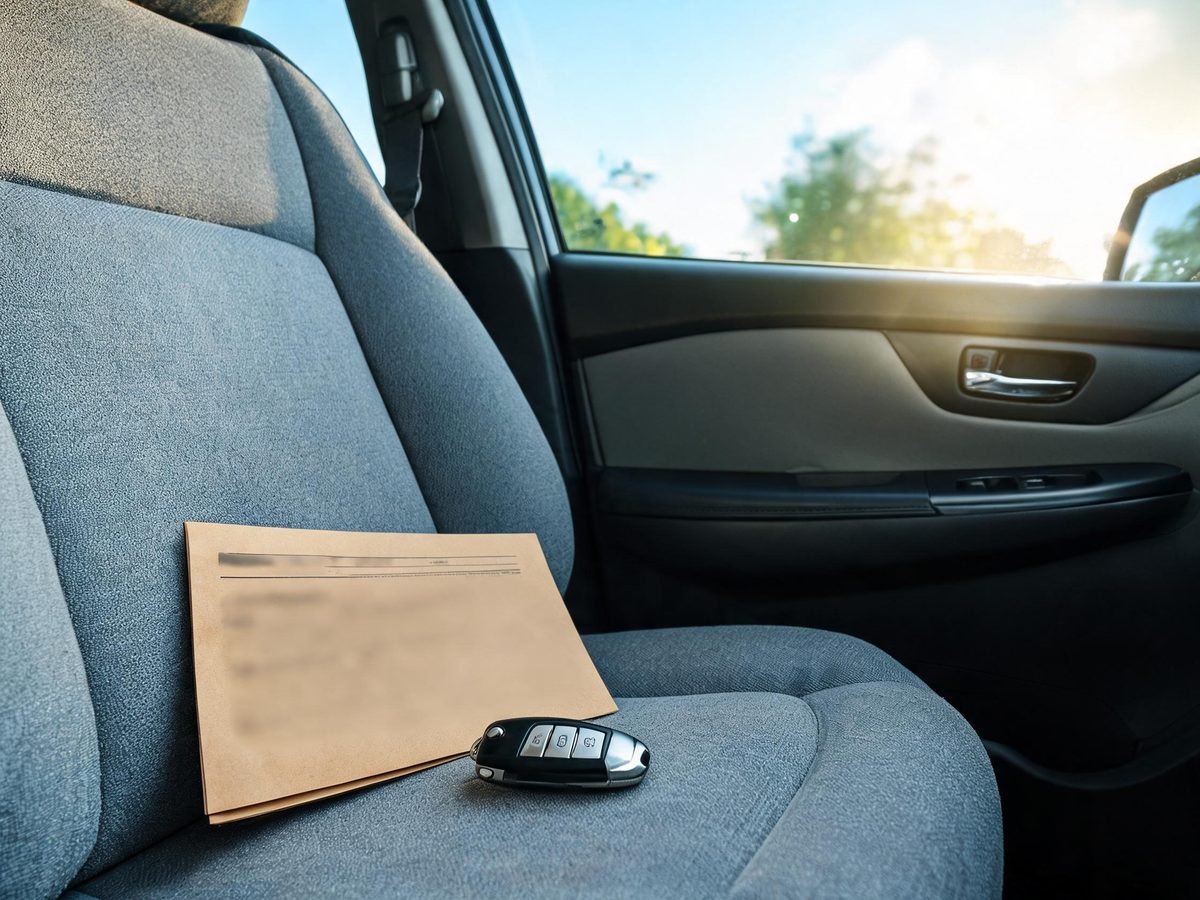
Testing offices usually require a valid registration, current insurance, a functioning horn, brake lights, turn signals, seatbelts and windshield wipers. Some states require the vehicle to be inspected before the test. A rental car normally passes these checks, but the paperwork is the weak point.
The registration may list the rental company, not you. Some states accept that with the rental agreement; others want the applicant named. Ask your testing office which document they need to see. If the answer is “the renter's name on the registration,” a standard rental car will not work.
Also confirm the car's class. A commercial truck, a vehicle with dual controls, or a car with an unusual transmission may trigger extra requirements. A compact automatic sedan is the least complicated choice.
Road test rental car insurance, in plain terms
Your personal auto policy may not cover a rental car, and the rental company's damage waiver is not liability insurance. The DMV usually wants proof that the vehicle is insured, not proof that you personally carry a policy. Ask the rental company for the insurance card that comes with the vehicle.
If you decline all coverage and damage the car during the test, you may be responsible for the repair. That is a separate risk from failing the test. Decide before you drive, not after.
- Confirm the car is insured for the test date.
- Ask whether the rental includes liability coverage or only damage coverage.
- Keep the insurance card in the car, not in your wallet.
- Photograph the car before you leave the lot; note existing damage.
The examiner's view of a road test rental car
Examiners are used to driving-school cars and family sedans. A rental car with unfamiliar controls can distract you before the test begins. Learn where the headlights, wipers and hazard lights are before you drive to the appointment. Adjust the seat and mirrors in the lot, not at the first stop sign.
Some examiners ask whether the car has a backup camera or parking sensors. These are allowed, but you should not rely on them instead of mirror checks. The test is about your observation, not the car's software.
Better backup plans for a road test rental car
If a rental is uncertain, consider these alternatives before the appointment:
- Borrow a family car. Ask the owner to confirm insurance and registration, and to write a short permission note if your state requires it.
- Use a driving school car. Schools often rent their vehicles for tests, sometimes with a lesson attached. The car will have the required paperwork and dual controls where required.
- Reschedule. A later appointment with a reliable car is better than a same-day rejection. Many states let you reschedule online.
Do not borrow a car without the owner's explicit permission. An examiner may ask for the registration and insurance, and an unauthorized vehicle creates a liability problem that goes far beyond a failed test and a lost fee.
On test day with a rental
Bring the rental agreement, the registration, the insurance card, your permit and your appointment confirmation. Arrive with the car clean and fueled. Check the lights and horn in the lot. If the examiner refuses the vehicle, ask for the specific reason in writing; you may be able to fix the paperwork for a later appointment.
Get the rental company answer in writing and confirm the DMV accepts the vehicle before you pay. If either answer is vague, book a later test and borrow a car you know.
Sources and further reading
About the author
Maya Ortiz
Maya reports on licensing, road rules and the paperwork that slows people down. Her work for Vextor Times focuses on what state agencies actually ask for, and what happens when a form is missing.
Driving and consumer rules · Sacramento, California