The word “burger” covers a wide range of objects. A thin, lacy patty smashed onto a griddle is a different pleasure from a thick, juicy burger cooked over charcoal. Neither is the default. The style depends on where you are, what the local diner has been doing for decades, and what the cook believes a burger should be.
Knowing the local style helps you order. It also explains why a burger that disappoints in one town can be excellent in another. The differences are not marketing. They are technique, fat, heat and bread.
Smash burgers and tavern burgers
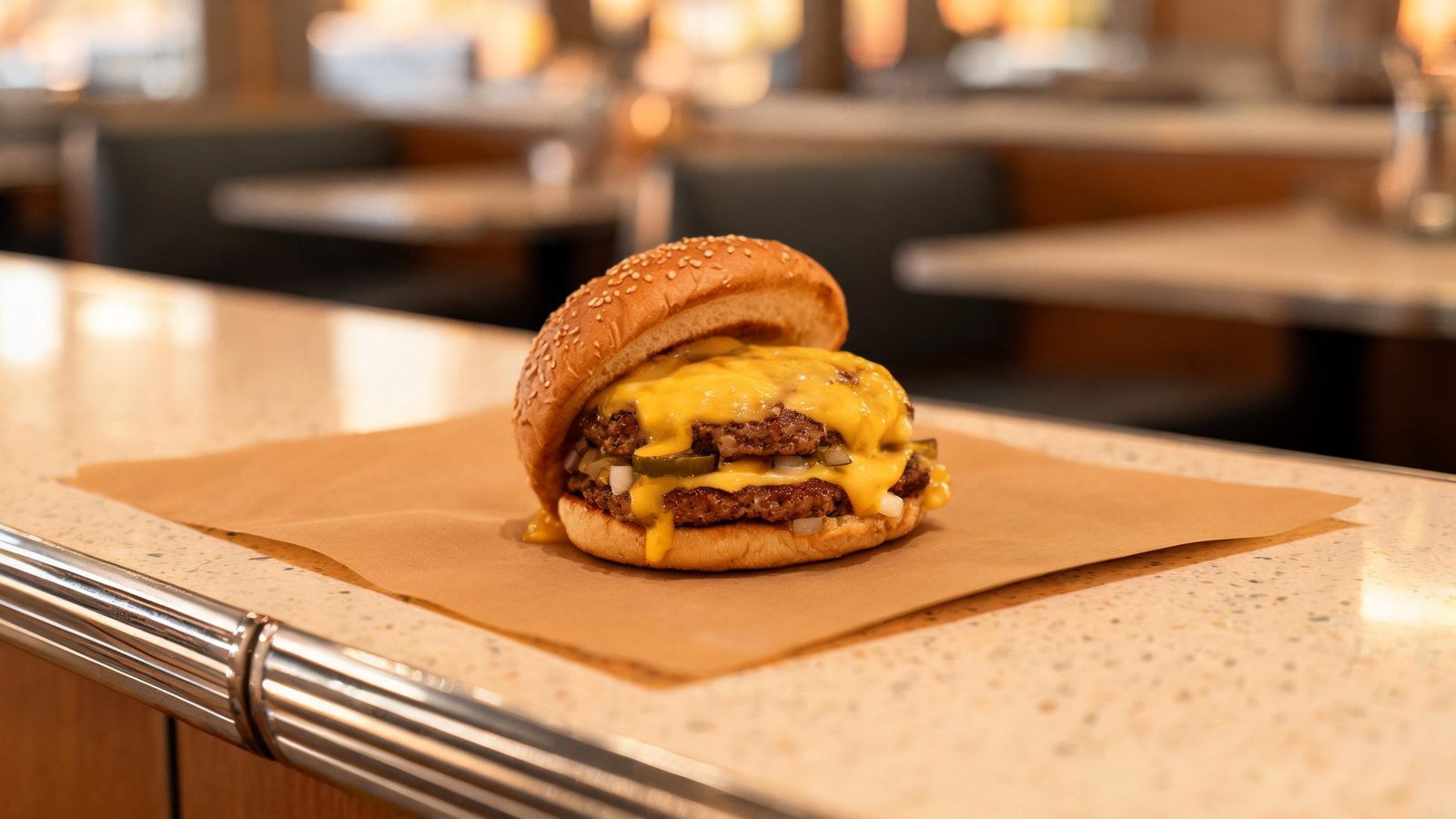
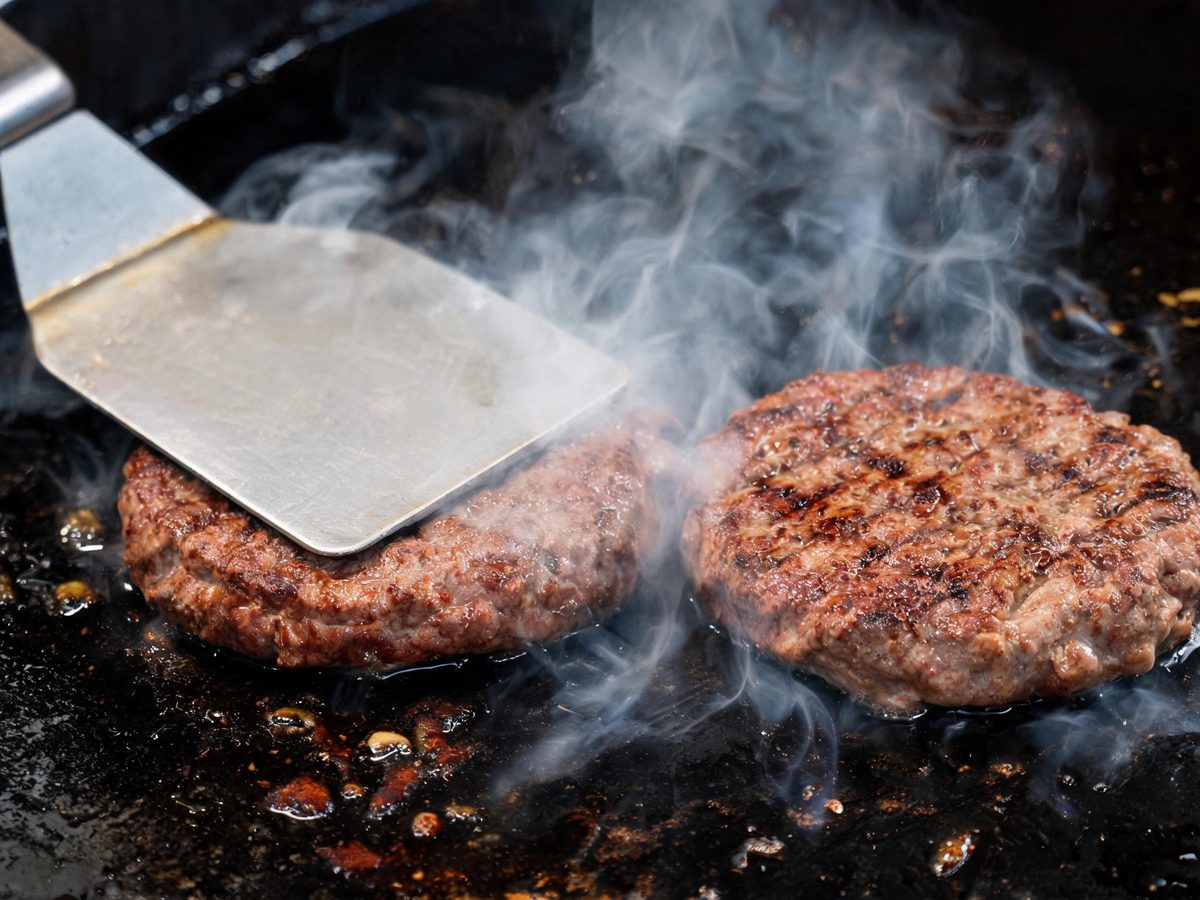
A smash burger starts as a loose ball of ground beef, pressed flat on a hot griddle with a spatula. The contact creates a dark, crisp edge and a thin layer of fat that browns the bun. Two thin patties are common, with cheese melted between them.
The tavern burger is a close relative: thin, cooked on a flat top, often served on a soft bun with pickles and onions. In parts of the Midwest, the tavern burger is the default diner burger, and the measure of a cook is the crust.
Ordering notes: ask for the patties “smashed” if the menu does not say, and expect a shorter cook time. Eat it at the counter. These burgers lose their edge when wrapped and steamed for ten minutes in a takeout bag.
The butter burger of the Upper Midwest
Wisconsin's butter burger gets its name from butter used on the griddle or brushed on the bun. The result is a rich, toasted surface and a patty that tastes seasoned before the first bite. Some versions are thin and diner-style; others are thicker and cooked more slowly.
If you order one, ask whether the butter is on the bun, the griddle, or both. The answer tells you what to expect. A butter burger is not a health food, and it is not trying to be. It is a regional pleasure built on dairy fat and a hot surface.
Green chile and the southwestern burger
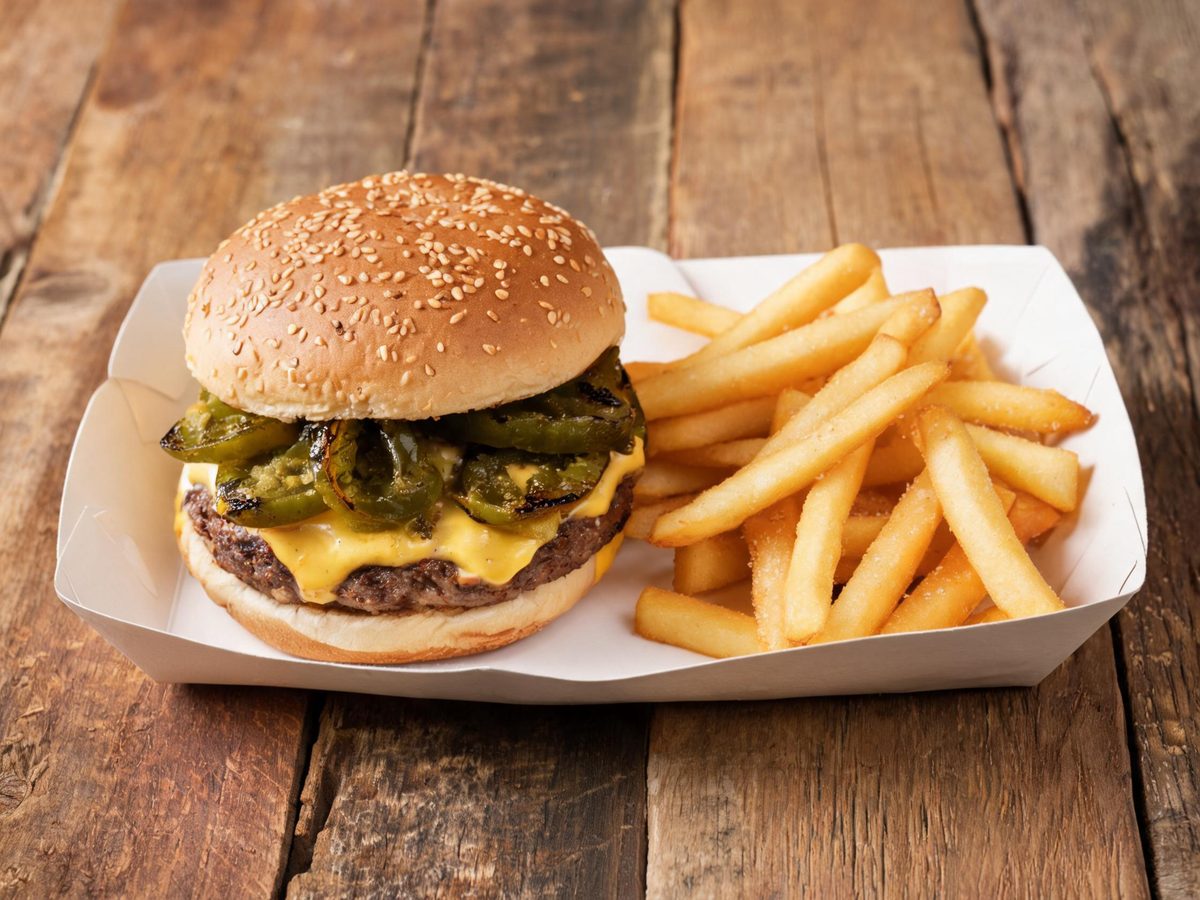
In New Mexico, a burger can arrive covered in roasted green chile, sometimes with cheese melted over the top. The chile is the point: earthy, slightly bitter, with a heat that builds. Hatch chiles are the best-known variety, but the style extends beyond one pepper.
Order it “Christmas” if the menu offers both red and green chile, a reference to the combination. Ask about heat level; a mild chile burger and a hot one can be very different experiences. Keep a dairy drink nearby, and do not assume the heat will be mild because the burger is familiar.
The Juicy Lucy and other stuffed burgers
Minnesota's Juicy Lucy puts cheese inside the patty rather than on top. The first bite can release hot, molten cheese, so give it a minute. The style rewards a thicker patty and careful cooking; the center has to be hot enough to melt the cheese without turning the outside to leather.
Ask which cheese is used. American is common, blue cheese appears in variations, and the choice changes the flavor more than the novelty suggests.
Slugburgers and an older diner tradition
In parts of Mississippi and Tennessee, the slugburger is a small, thin patty with a long history. The name does not refer to the animal; it is tied to older slang and a tradition of stretching ground meat with a filler during hard times. Modern versions vary, and some are strictly beef.
Order one if you see it on a local menu, but ask about the recipe. The style is regional, and the best versions are usually the ones a family has been making for generations, not the ones marketed as a novelty.
How to order in an unfamiliar burger town
- Ask what the house is known for. A short answer is a good sign. A long list of styles suggests a menu built for tourists.
- Check the grind and the cook. A burger cooked to order takes longer. If it arrives in three minutes, it was probably held warm.
- Choose the right bun. A soft potato bun suits a thin patty; a sturdy bun is wasted on a delicate one.
- Do not add too much. A smash burger needs pickles, onion and cheese. A thick burger can carry lettuce and tomato without collapsing.
- Eat in. Regional burgers are built for immediate eating. Takeout flattens the crust and steams the bun.
Why a local burger style is not a ranking
A local style is a set of decisions, not a promise. A mediocre smash burger is still a mediocre burger. The useful question is whether the kitchen understands its own tradition: hot surface, correct grind, a bun that holds up, and a cook who knows when to stop pressing.
If you travel for work or a road trip, seek out the local version once. Order it the way the regulars do. Then decide whether the style is for you. That is a better use of a meal than chasing a national “best burger” list that ignores the local technique entirely.
A field guide to regional burger styles
| Style | What to expect | Where it shows up |
|---|---|---|
| Smash | Thin, crisp edges, two patties, quick cook | Diners and modern griddle spots nationwide |
| Tavern | Thin patty on a soft bun, simple toppings | Midwest diners and older taverns |
| Butter burger | Buttered bun or griddle, rich toasted surface | Wisconsin and upper Midwest |
| Green chile | Roasted chile, building heat, often cheese | New Mexico and the Southwest |
| Juicy Lucy | Cheese inside the patty, molten center | Minnesota |
| Slugburger | Small, thin, old diner tradition | Mississippi and nearby states |
Order what the kitchen is known for, the way the regulars order it, and judge the result on its own terms.
Sources and further reading
About the author
Colin Reyes
Colin writes about regional foodways, restaurant operations and how to order well without guessing. He spends his weekends at counters, market stalls and barbecue pits.
Food and regional reporting · Kansas City, Missouri