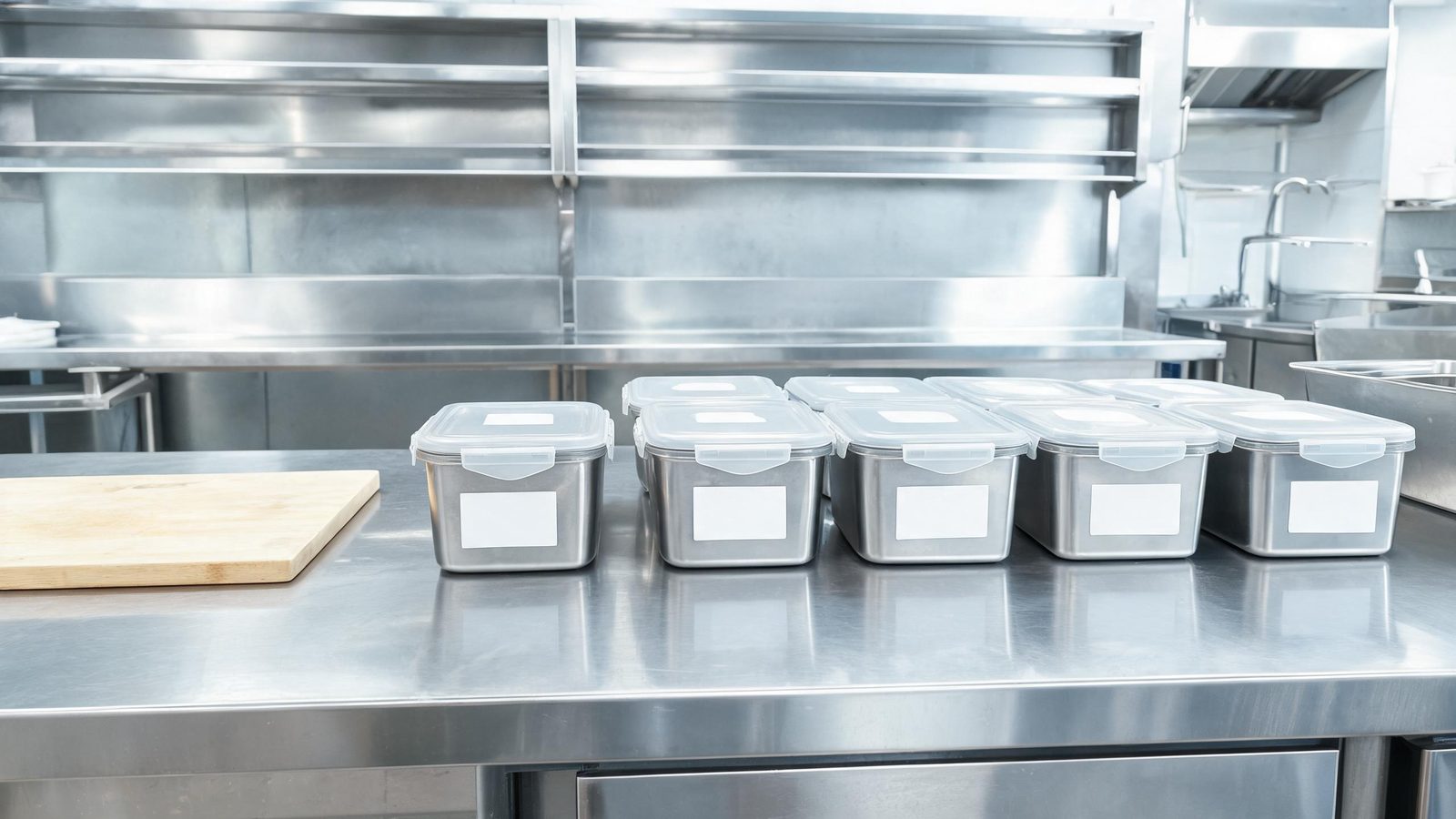
“Gluten-free” on a menu is a starting point, not an answer. The flour in the air, the shared fryer, the soy sauce in the marinade and the knife that cut the bread can all undo a dish that looks safe on paper.
Eating gluten-free at a restaurant is mostly a conversation. The goal is not to interrogate the server; it is to get specific answers about the kitchen's process. A kitchen that can answer clearly is more likely to have a process you can work with.
What a gluten-free label means on a restaurant menu
The FDA's gluten-free labeling rule applies to packaged foods and defines “gluten-free” as containing no gluten-containing grain and no more than 20 parts per million of gluten. Restaurant menus are not held to the same labeling rule, so a menu claim is a statement of intent, not a test result.
A restaurant may use “gluten-friendly” instead of “gluten-free” to signal that it reduces gluten but cannot rule out cross-contact. Read the wording. The difference matters if you have celiac disease.
Four questions that reveal how a kitchen handles gluten
“Do you have a dedicated fryer?” If fries, breaded chicken and mozzarella sticks share the oil, the fries are not gluten-free. A dedicated fryer is a meaningful answer.
“Is this cooked on the same grill or in the same pan as breaded food?” A shared surface can carry flour and breadcrumbs. A separate pan or a cleaned section of the grill is better.
“What is in the sauce or marinade?” Soy sauce, teriyaki, malt vinegar, and some spice blends contain gluten. Ask for the ingredient list or a substitution.
“Can you check the label on that package?” For a packaged bun, sauce or condiment, the label is more reliable than a verbal assurance. A kitchen that keeps the package is a kitchen that can verify.
Where gluten hides beyond the ingredient list
Shared fryers are the most common problem. Breaded items, flour dust and battered food leave gluten in the oil. Even a dedicated fryer can be contaminated if a cook drops a breaded item into it during a rush.
Cutting boards, knives, tongs and prep surfaces are next. A salad made on a board that just held a sandwich is not safe for someone with celiac disease. A “gluten-free” pizza cut with the same cutter as a regular pizza is a risk.
Condiments are a quiet source. A knife used on a regular bun can leave crumbs in the mustard jar. A shared butter dish can carry breadcrumbs. Ask for a clean utensil or a sealed packet.
Drinks matter too. Beer contains gluten; some spirits do not. Ask about the drink if you are unsure. A restaurant that serves a “gluten-free beer” should be able to name the product.
Cuisines that make gluten-free ordering easier
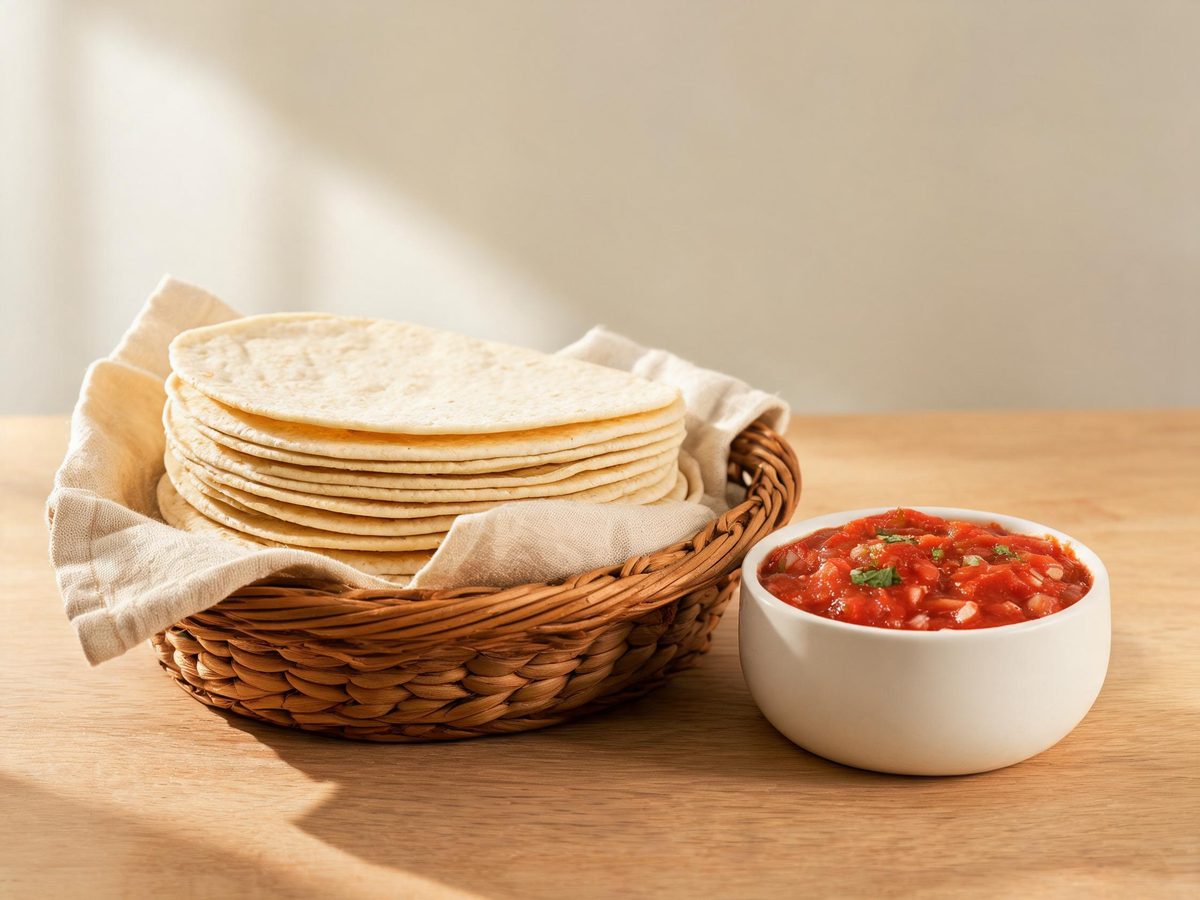
Some cuisines rely on naturally gluten-free staples. Mexican food often uses corn tortillas, though flour tortillas and shared fryers are common. Thai and Vietnamese cooking often uses rice noodles and fish sauce, but soy sauce and fried items can introduce gluten. Indian food has rice and lentil dishes, but naan and some snacks do not fit. Japanese food can use tamari, but udon and most soy sauce are wheat-based.
None of these is automatically safe. They are starting points for a conversation. A restaurant that understands its own cuisine's gluten sources is easier to work with than one that simply marks items with a leaf icon.

When to walk away from a gluten-free claim
If a server cannot answer basic questions and no one can check the ingredients, the kitchen cannot safely accommodate you. That is not a judgment about the restaurant's quality; it is a limit on what it can promise.
Walk away if you see breaded food in the only fryer, if the staff dismisses cross-contact as “no big deal,” or if the “gluten-free” option is the same dish with the bread removed. A bun removed from a burger does not remove the flour from the grill.
It is acceptable to order a simple dish that the kitchen can cook in a clean pan, or to leave and eat elsewhere. Your health is worth more than the meal.
Carrying a short gluten-free note
A written note in English can help in a noisy restaurant. It should state what you need, not what you want: “I have celiac disease. I need food prepared without gluten and without cross-contact from shared surfaces, fryers or utensils. Please tell me which dishes are possible.” Keep it short and hand it to the server before ordering.
If you are traveling, a translation card in the local language is useful. It should describe the medical need and the cross-contact risk, not just ask for “gluten-free.”
A last gluten-free check before the plate arrives
Before the food arrives, confirm the plan with the server: separate pan, clean utensils, no shared fryer, sauce checked. When the plate arrives, look at it. If there is a bun, a breadcrumb garnish or a doubt, ask again. A restaurant that treats the question as annoying is telling you something useful.
Ask the same questions every time: separate preparation, clean utensils, and what goes into the sauce. Vague answers are a reason to choose a different dish or a different restaurant.
Sources and further reading
About the author
Colin Reyes
Colin writes about regional foodways, restaurant operations and how to order well without guessing. He spends his weekends at counters, market stalls and barbecue pits.
Food and regional reporting · Kansas City, Missouri