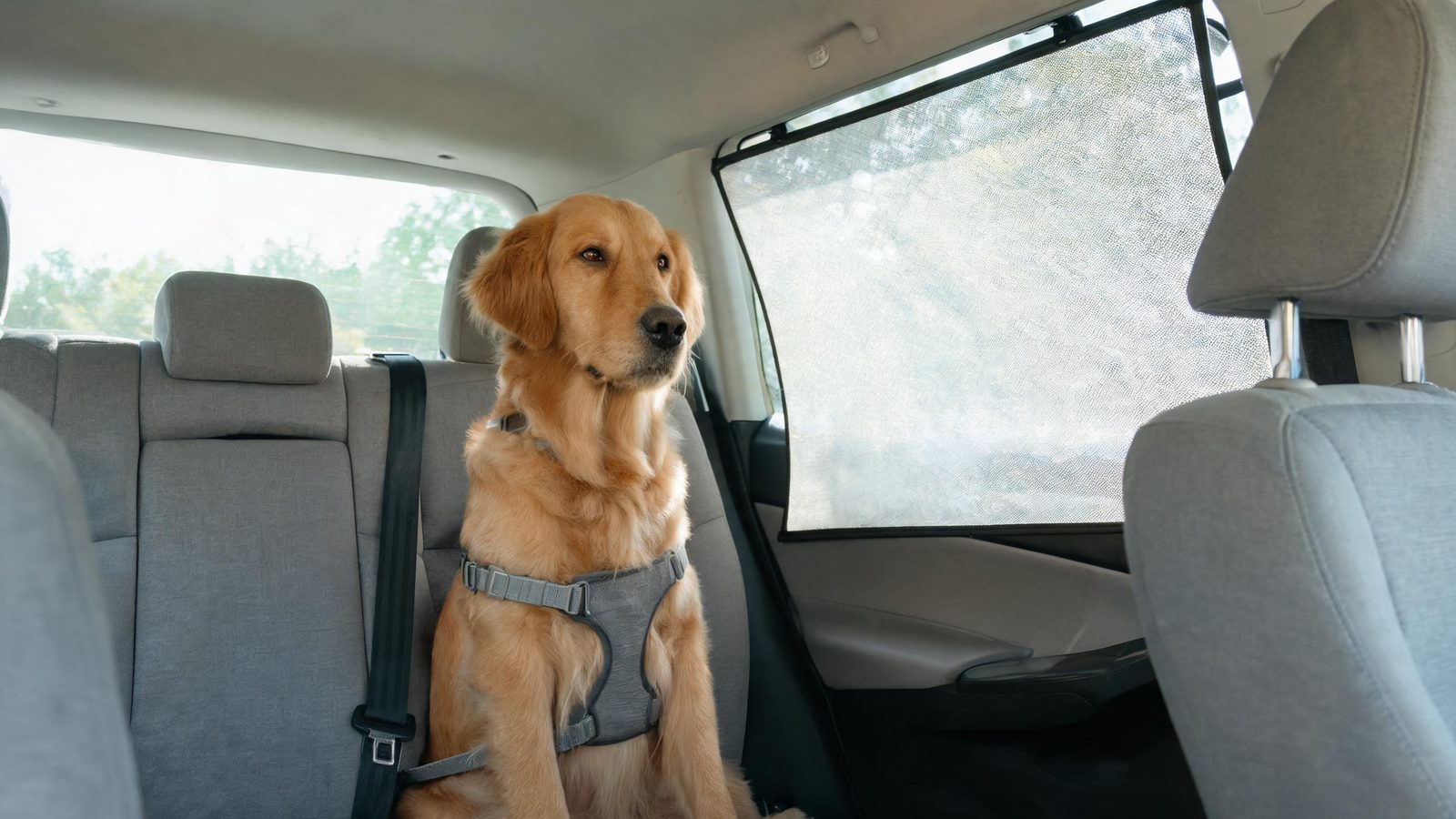
A dog loose in the back seat is a hazard in a sudden stop. At highway speed, an unrestrained animal can become a projectile, and a driver who reaches for a frightened pet is not watching the road. The fix is not complicated: a secure crate or a tested harness, placed correctly.
Pet car travel is mostly planning. The right restraint, a rest-stop routine, water, identification and a check on state and hotel rules can prevent many problems.
Choosing a pet restraint for car travel
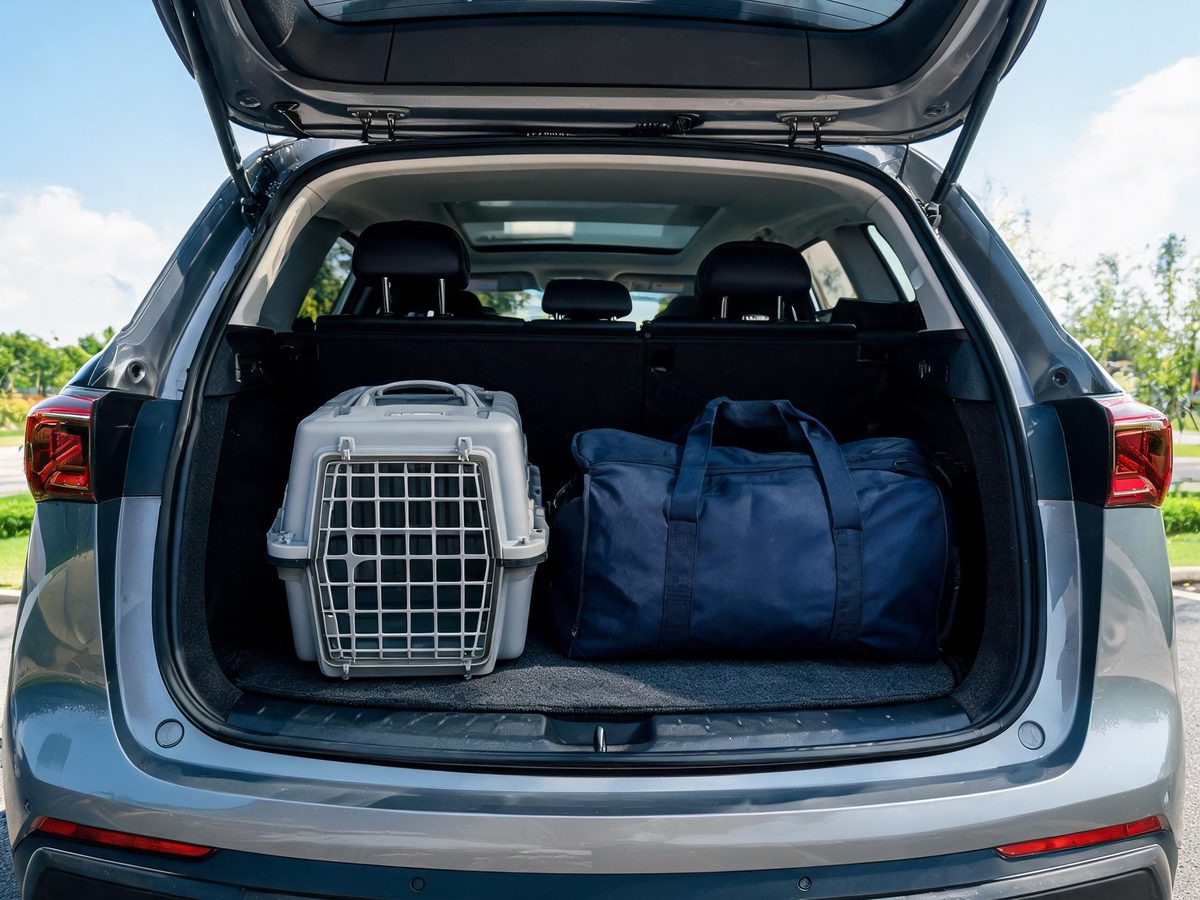
A hard-sided carrier is the safest option for a cat or a small dog. Place it on the back seat, wedged so it cannot slide, or in the cargo area with a barrier. A carrier that moves around is not secure.
For a larger dog, a crash-tested harness is better than a simple leash clip. The harness should distribute force across the chest, not the neck. A crate is also good if it fits the car and the dog. Avoid a soft-sided carrier for a dog that chews or scratches.
Keep the head inside the vehicle. At speed, debris can injure the eyes and wind can damage the ears. Debris can injure the eyes, and the wind can damage the ears. Do not put a pet in the front seat; an airbag can injure a small animal.
Planning rest stops on a pet car trip
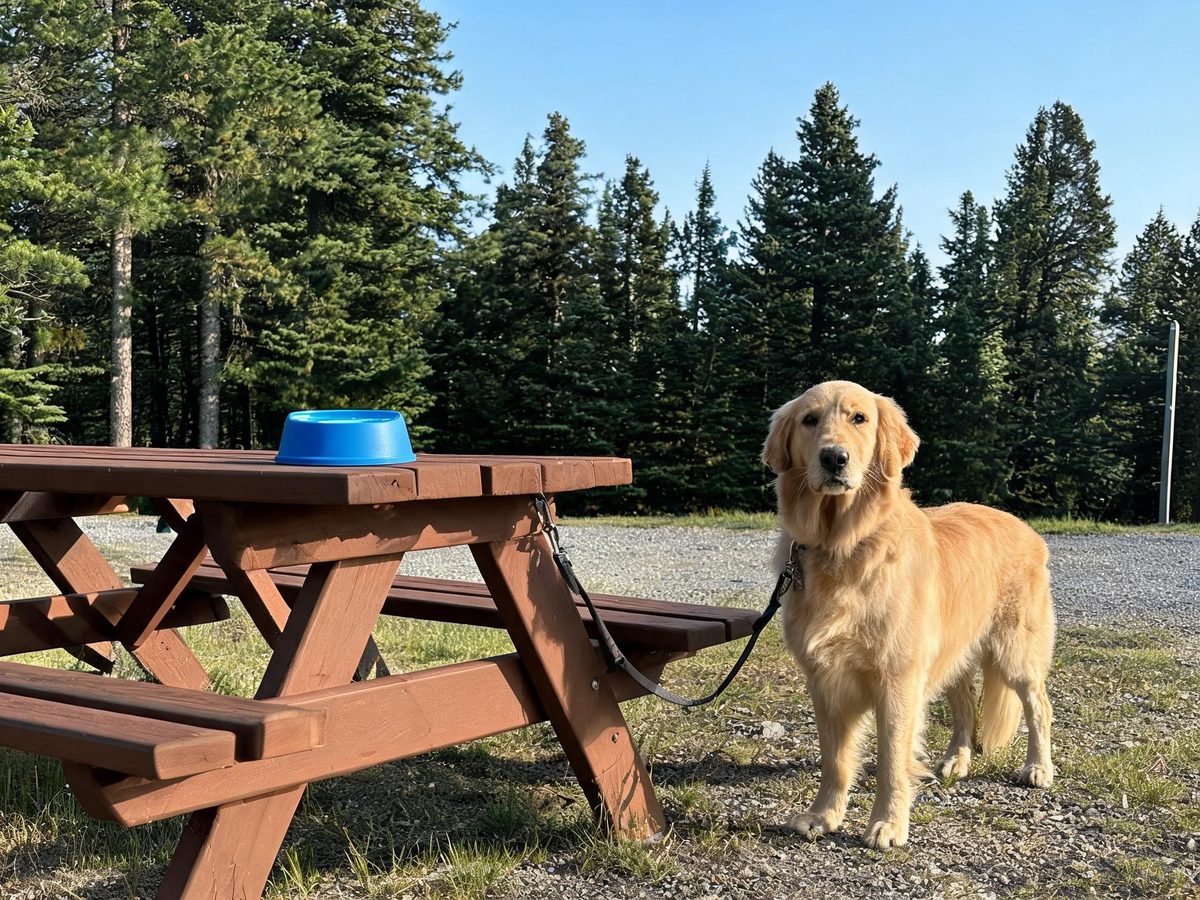
Stop every two to three hours for a dog, more often for a puppy or a senior. Offer water, a short walk and a bathroom break. Keep the leash on in rest areas; a new environment is not the place for an off-leash run.
Look for rest stops with shade and grass, not just a parking lot. A hot pavement break does not help a dog cool down. Bring a bowl, a bottle of water and a towel.
Do not leave a pet in a parked car, even for a few minutes. On a warm day, the interior heats quickly. If you need to eat, choose a restaurant with outdoor seating or take turns.
Motion sickness and anxiety in the car
Some pets drool, vomit or pace in the car. A short drive before the trip can reveal the problem. Feed a light meal a few hours before you leave, not immediately before. Keep the car cool and the pet facing forward.
Do not give human medication for motion sickness. Ask a vet about options and dosing for your pet's weight. A calm, secure carrier can reduce anxiety more than a pill in some cases.
If the pet has never traveled, practice short trips: five minutes, then ten, then a errand. Reward calm behavior. A pet that associates the car with a vet visit may need a slower introduction.
State rules and paperwork for pet travel
Many states do not require a special license for a pet riding in a car, but restraint laws and animal welfare rules vary. Some states have laws about leaving an animal unattended in extreme weather. Some require proof of rabies vaccination for pets at campgrounds or on public lands.
If you cross into another country, the rules change completely. APHIS publishes the requirements for international travel. For a US road trip, bring a copy of the rabies certificate and any medical records, especially if you are staying at campgrounds or boarding the pet.
Check hotel and campground policies before booking. “Pet-friendly” can mean a weight limit, a fee, a crate requirement, or no pets on the furniture. Call the front desk and confirm; a listing can be out of date.
What to pack for pet car travel
- Food and water for the whole trip, plus a bowl and a bottle.
- Medication in the original container, with dosing instructions.
- Rabies certificate and a copy of medical records.
- Leash, harness, carrier and a spare towel.
- Enzymatic cleaner and bags for accidents.
- A familiar blanket and one toy.
- Emergency vet contacts for the route.
At the destination with a pet
Give the pet time to settle before introducing new people or animals. A hotel room is a new territory; keep the carrier open as a safe base. Do not leave a pet loose in an unfamiliar rental while you go out.
If you are visiting a home with pets, ask about introductions. A slow meeting on neutral ground is better than a surprise at the door. Keep food separate; a resource conflict can turn a friendly visit into a fight.
The return trip with a pet
The drive home is still a drive. Repeat the rest-stop routine, even if the pet seems calm. A tired pet can still need water and a bathroom break. Clean the carrier and check the car for food wrappers or anything the pet may have chewed.
Check the restraint, plan the breaks, and keep the paperwork where you can reach it. The goal is a trip where nothing interesting happens to the pet.
Sources and further reading
About the author
Priya Raman
Priya covers everyday animal care, shelter adoptions and the practical side of sharing a home with pets. Her guides focus on setup, routine and when to call a veterinarian.
Pets and household care · Atlanta, Georgia