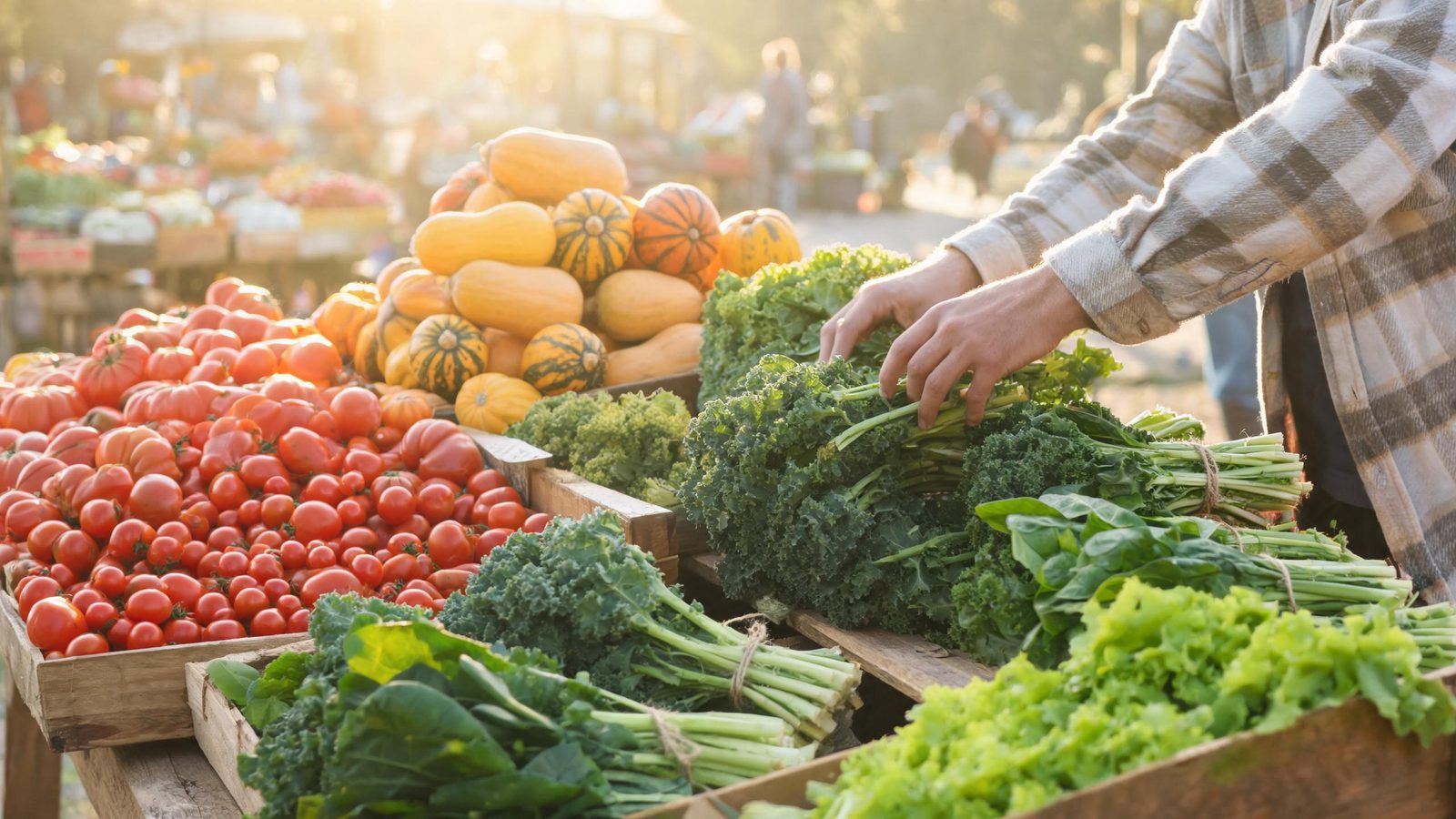
The farmers market is not a grocery store with better tomatoes. It is a series of small farms selling what is ready that week. That is the appeal and the difficulty: the selection changes, the quantities are limited, and popular items can sell out early.
Learning the seasonal rhythm makes the trip easier. You stop looking for everything and start looking for what is at its peak. You also stop paying winter prices for summer produce that traveled halfway across the country.
Spring at the market: greens and fragile fruit
Spring is a transition season. Cool-weather crops dominate early: spinach, lettuce, kale, radishes, peas, scallions and herbs. Asparagus appears in many regions, followed by strawberries and the first cherries in warmer areas.
Spring produce is delicate. Buy greens with crisp stems and no yellowing. Refrigerate them in a damp towel or a perforated bag. Wash just before use, not before storage. Strawberries should be dry when you bring them home; a wet carton turns to mold in a day.
This is also the season for transplants and seedlings. If you garden, the market is a good place to buy starts that are suited to your local climate, not a big-box variety chosen for shipping.
Summer at the market: peak and pressure
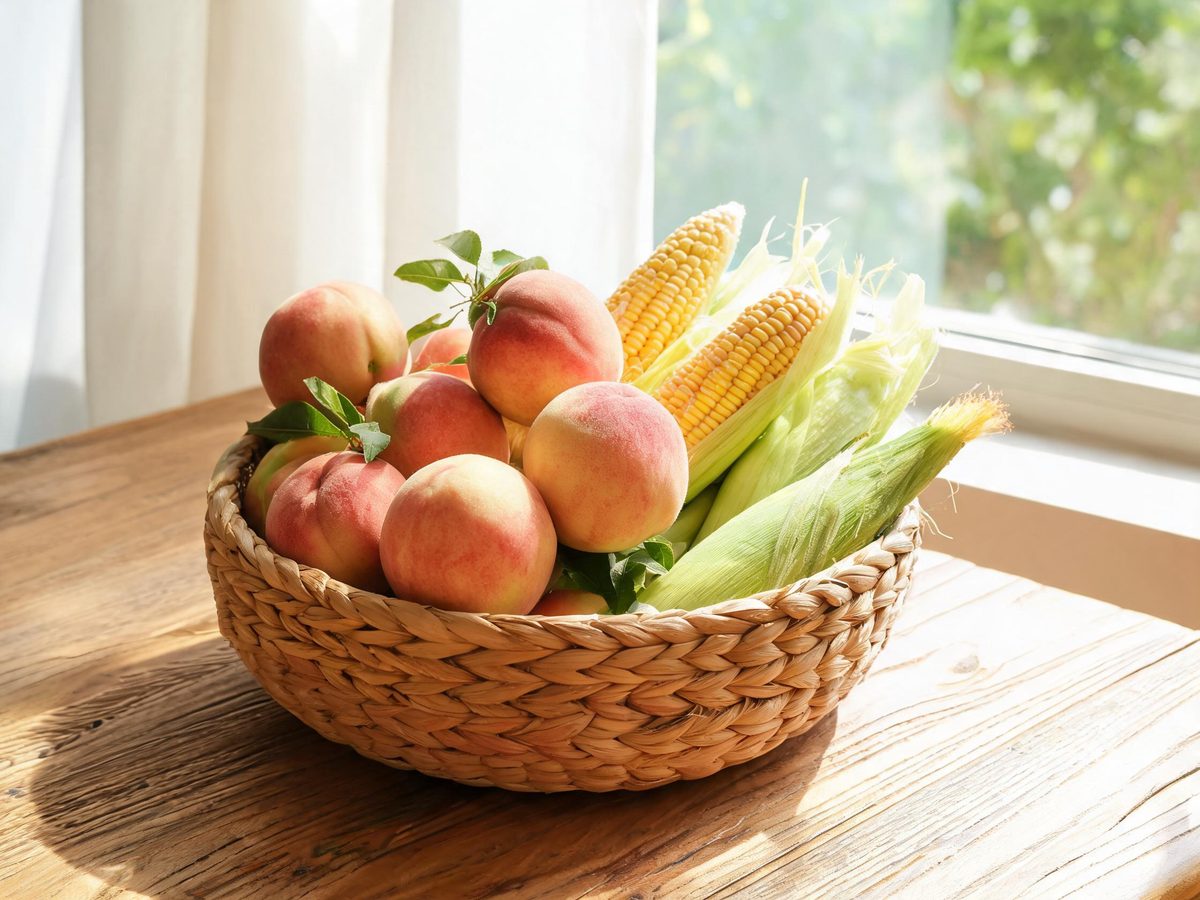
Summer is the busiest season and the easiest to shop. Tomatoes, corn, peaches, berries, cucumbers, peppers, squash and melons arrive in volume. The quality can be extraordinary, and so can the crowds.
Go early for the best selection, or go late for markdowns. Many growers discount at the end of the day rather than carry produce home. Ask whether the discount applies to a whole box or a single item.
Summer heat is a food-safety issue. Bring a cooler bag for meat, dairy, eggs and cut fruit. Do not leave produce in a hot car while you run other errands. Stone fruit bruises easily; put it on top of the bag, not under a heavy melon.
Tomatoes are the test case. A tomato that is heavy for its size and smells like a tomato is ready. A perfect-looking tomato with no scent may have been picked early. Ask which variety is best for slicing and which is best for sauce.
Fall market: apples, squash and storage crops
Fall brings apples, pears, pumpkins, winter squash, sweet potatoes, cabbage, carrots, beets and the last peppers. This is the season to buy in quantity if you have storage space.
Apples keep well in a cool, dark place. Winter squash keeps for weeks at room temperature. Root vegetables last longer in a cool, humid drawer. Do not wash root vegetables before storing; the dirt protects them.
Fall is also when the market starts to feel like a pantry. Ask growers which varieties store best. A crisp apple and a soft apple are different products, even if they sit in the same bin.
Winter market: roots, citrus and greenhouse greens
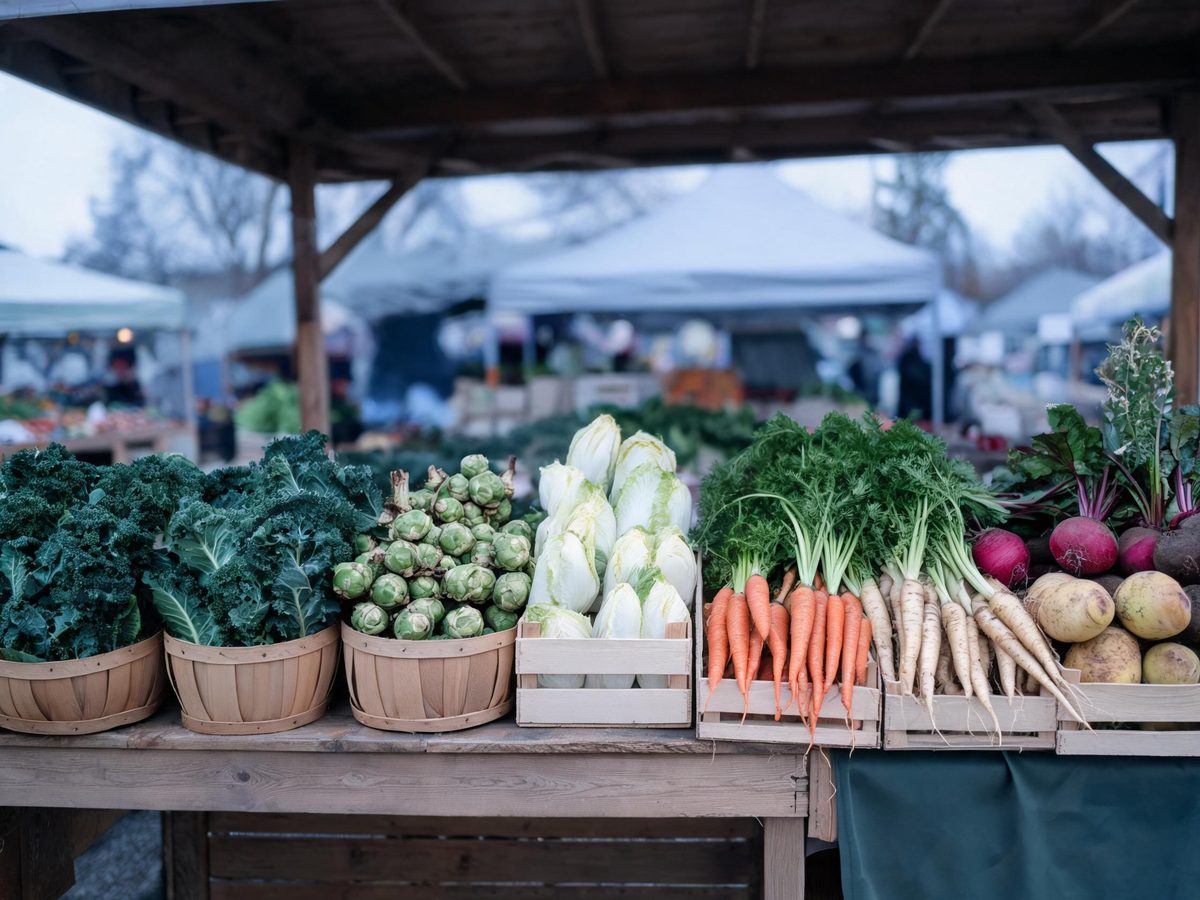
Winter is the lean season in cold climates. Expect storage crops, cabbage, onions, potatoes, carrots, beets, and greenhouse or cold-hardy greens. In warmer regions, citrus and subtropical produce appear.
Winter is a good time to buy preserved goods: honey, jam, pickles, dried beans and fermented foods. These are shelf-stable, and they let you support growers outside the harvest window.
The selection may be smaller, but the quality can still be good. A winter market is a test of the grower's storage, not their field. Ask how the apples were kept and when they were picked.
Questions that improve a farmers market purchase
- “When was this picked?” A recent harvest explains freshness better than a “fresh” sign.
- “Which variety is this?” Variety affects flavor, storage and cooking.
- “How should I store it?” Growers know what works for their produce.
- “Is this grown here, or brought in?” Some markets allow reselling; ask if sourcing matters.
- “How ripe is it today?” A peach for tomorrow and a peach for Thursday are different purchases.
Food safety at the farmers market
Wash produce before eating, even if it looks clean. Keep raw meat separated from ready-to-eat food in your bags. If you buy unpasteurized dairy or fermented products, follow the vendor's storage instructions. Pregnant readers, young children and immunocompromised shoppers should follow public health guidance about high-risk foods.
Ask whether a vendor is licensed and inspected if you are buying meat, dairy or prepared food. Many markets require it, but the rules vary by state. A vendor who welcomes the question is usually a good sign.
Building a seasonal farmers market habit
You do not need a perfect harvest calendar. Start with one rule: buy what looks and smells alive, ask one question about how to store it, and plan to use it within the week. That habit will teach you more about seasonality than any national chart.
Ask one grower what is best that week and how they would cook it. That answer changes with the weather, which is the point of buying at a market.
Sources and further reading
About the author
Colin Reyes
Colin writes about regional foodways, restaurant operations and how to order well without guessing. He spends his weekends at counters, market stalls and barbecue pits.
Food and regional reporting · Kansas City, Missouri