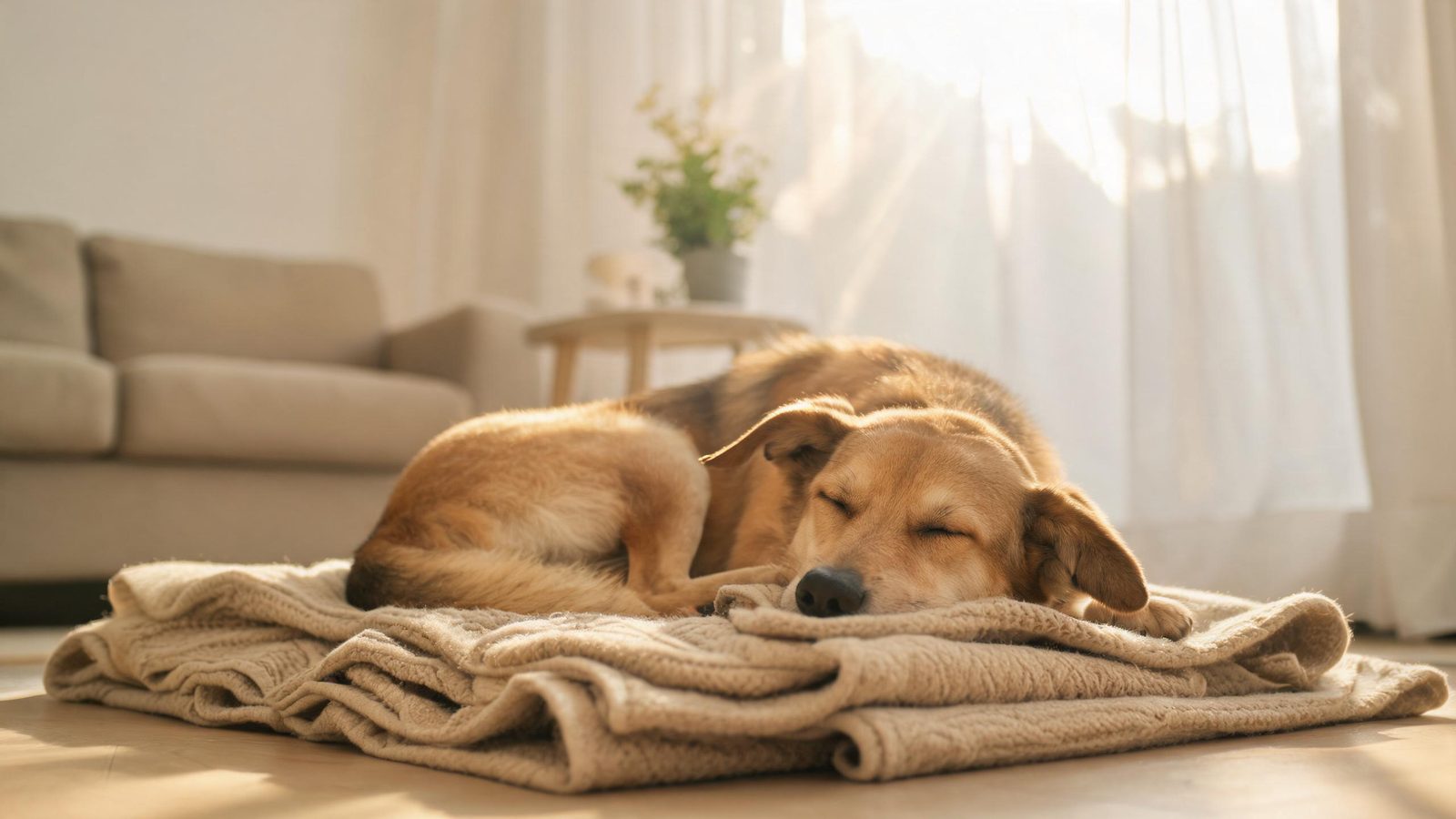
The car ride home is usually quiet. The dog has been in a shelter or a foster home, and now it is in a new house with new smells, new rules and people who want to be its friend immediately. The kindest thing you can do in the first two days is less.
A rescue dog is not a blank slate. It has a history you may not know, and it is deciding whether this place is safe. The first 48 hours are about reducing decisions: where to sleep, where to eat, where to go out, and who is allowed close.
Preparing the house for a rescue dog
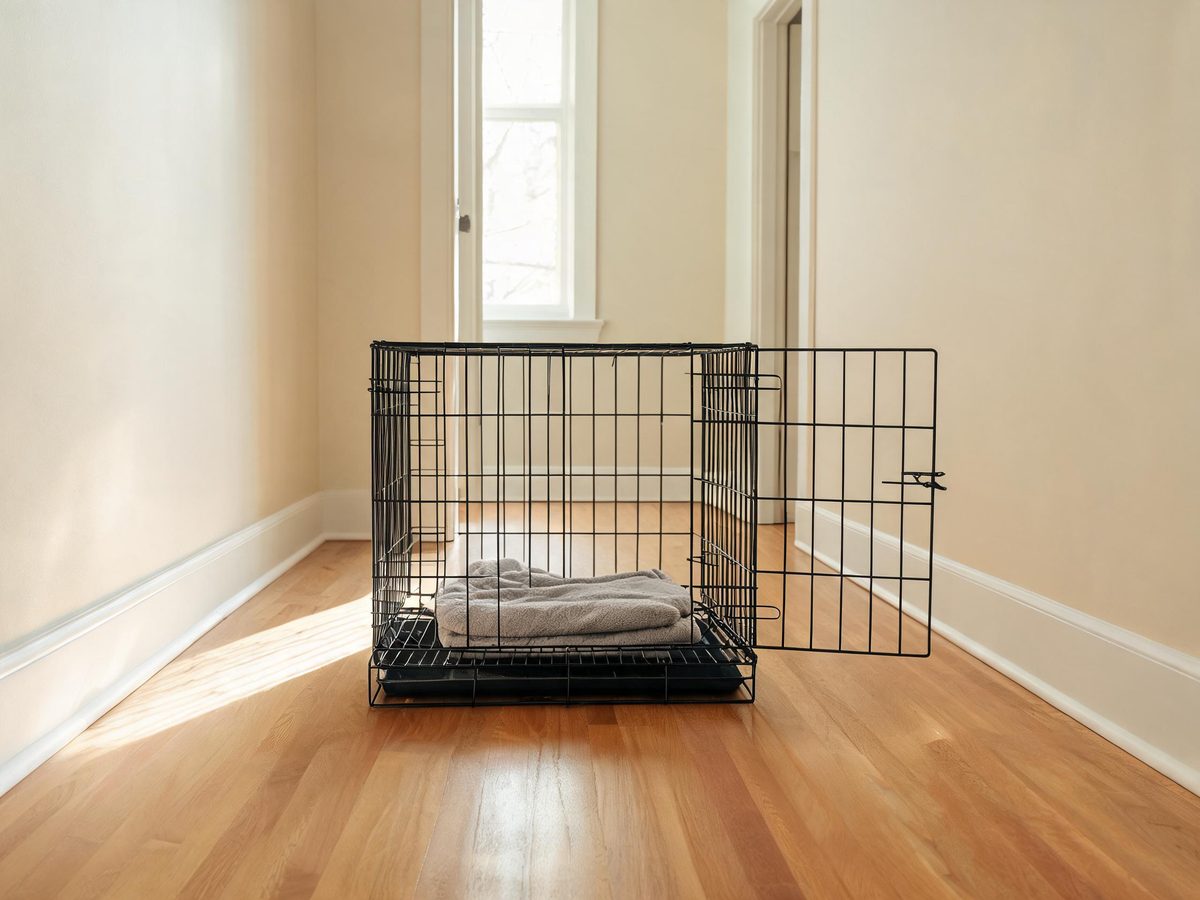
Set up one quiet room with a bed, a water bowl, a crate or a safe pen, and a puppy pad or a designated outdoor spot. Remove cables, houseplants, small objects and food that a nervous dog might chew. Put the trash can behind a closed door.
Decide the potty routine before the car pulls in. An adult rescue dog may need a break every two to four hours during the first day. A puppy needs more. Take the dog out on a leash to the same spot, wait, and praise calmly when it goes.
Day one with a rescue dog: a quiet arrival
Let the dog explore the settling room on its own. Sit on the floor, avoid direct eye contact, and let it come to you. Do not invite friends over. Do not take the dog to a pet store or a dog park. The goal is a calm baseline, not a welcome party.
Offer food and water. If the dog does not eat, leave the food down for a short period and try again later. A dog that refuses food for a full day, vomits, or has diarrhea should see a vet. Stress can cause short-term appetite loss, but dehydration is not something to wait out.
Keep the leash on indoors for the first day if the dog is skittish. It gives you a gentle way to guide the dog away from stairs or an open door without grabbing its collar.
Watch for these stress signals: tucked tail, flattened ears, yawning, lip licking, pacing, hiding, and a stiff body. They are not disobedience. They are information. Lower the stimulation and give space.
Night one with a rescue dog
Put the crate or bed next to your bed if the dog is comfortable with that. A new dog may whine when separated. The first night is not the time to enforce independence. A folded shirt with your scent can help.
Do not let the dog roam the house at night during the first week. A nervous dog can chew, escape, or hurt itself. Close the bedroom door, use a crate or a pen, and keep the settling room safe.
If the dog cries, speak softly and reassure it, but do not turn the night into a play session. A calm voice and a hand near the crate are enough for most dogs.
Day two: routines, not tricks
Start a schedule: wake, potty, food, water, a short walk in a low-traffic area, rest, potty, quiet time. Repeat the same order. Predictability lowers stress more than treats do.
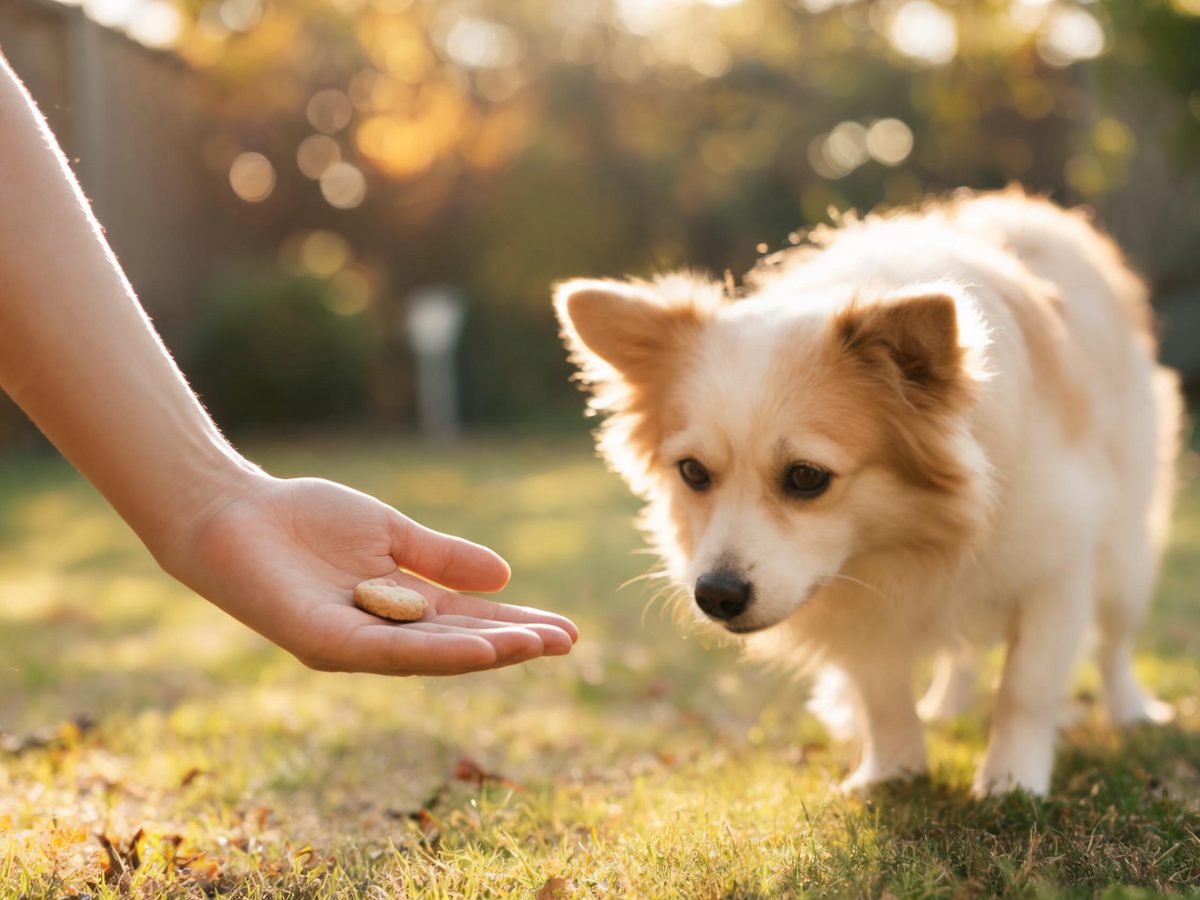
Begin name recognition and a simple sit only if the dog offers interest. Keep sessions to two minutes. A rescued dog may not know “sit,” and it may be too overwhelmed to learn. Stop before it loses focus.
Introduce the crate in short, positive steps: toss a treat inside, let the dog walk in, close the door for a few seconds, open it before the dog panics. The crate should not be where the dog goes after an accident or a sharp word.
If you have other pets, keep them separated for at least a few days. Swap bedding so they can smell each other before a face-to-face meeting. A slow introduction is safer than a nose-to-nose greeting in the hallway.
Feeding a rescue dog in the first week
Keep the dog on the food it was eating at the shelter or foster home for the first week. A sudden switch can cause diarrhea. If you need to change food, mix the old and new gradually over several days.
Feed at set times, remove the bowl after 20 minutes, and note how much the dog eats. A food diary is useful if a vet visit becomes necessary. Fresh water should be available at all times.
Do not give human food, especially fatty scraps, during the settling period. Rich food can trigger pancreatitis or diarrhea in a stressed dog.
The rescue dog first vet visit
Book a checkup within the first few days, ideally sooner if the dog has a cough, runny eyes, skin issues, or an unknown vaccination history. Bring the shelter paperwork, any medication, and a stool sample if the clinic asks for one.
Ask about flea and tick prevention, heartworm testing, vaccination schedule and microchip registration. If the dog came from a shelter, confirm whether the microchip is already registered to you or needs an update.
A vet visit during the first week is not a sign that something is wrong. It is a baseline. The clinic can tell you what is normal for this dog before a problem becomes urgent.
What to avoid with a rescue dog in the first 48 hours
- Do not take the dog to a dog park before vaccinations are confirmed and the dog has settled.
- Do not introduce every family member at once. One calm person at a time is easier.
- Do not punish hiding or growling. Those are stress signals; punishment increases fear.
- Do not bathe a nervous dog immediately. Wait until the dog trusts being handled, unless a vet advises otherwise.
- Do not leave the dog loose in the house when you leave during the first weeks.
The rescue dog first two weeks
The first 48 hours are only the start. Many rescue dogs need several weeks to show their personality. Some settle in days; others take months. Behavior that looks like “the real dog” in week one may be fear, and behavior that looks difficult may fade with routine.
Keep the schedule, limit visitors, and keep training short. If the dog regresses, remove a decision or two rather than adding more.
Sources and further reading
About the author
Priya Raman
Priya covers everyday animal care, shelter adoptions and the practical side of sharing a home with pets. Her guides focus on setup, routine and when to call a veterinarian.
Pets and household care · Atlanta, Georgia