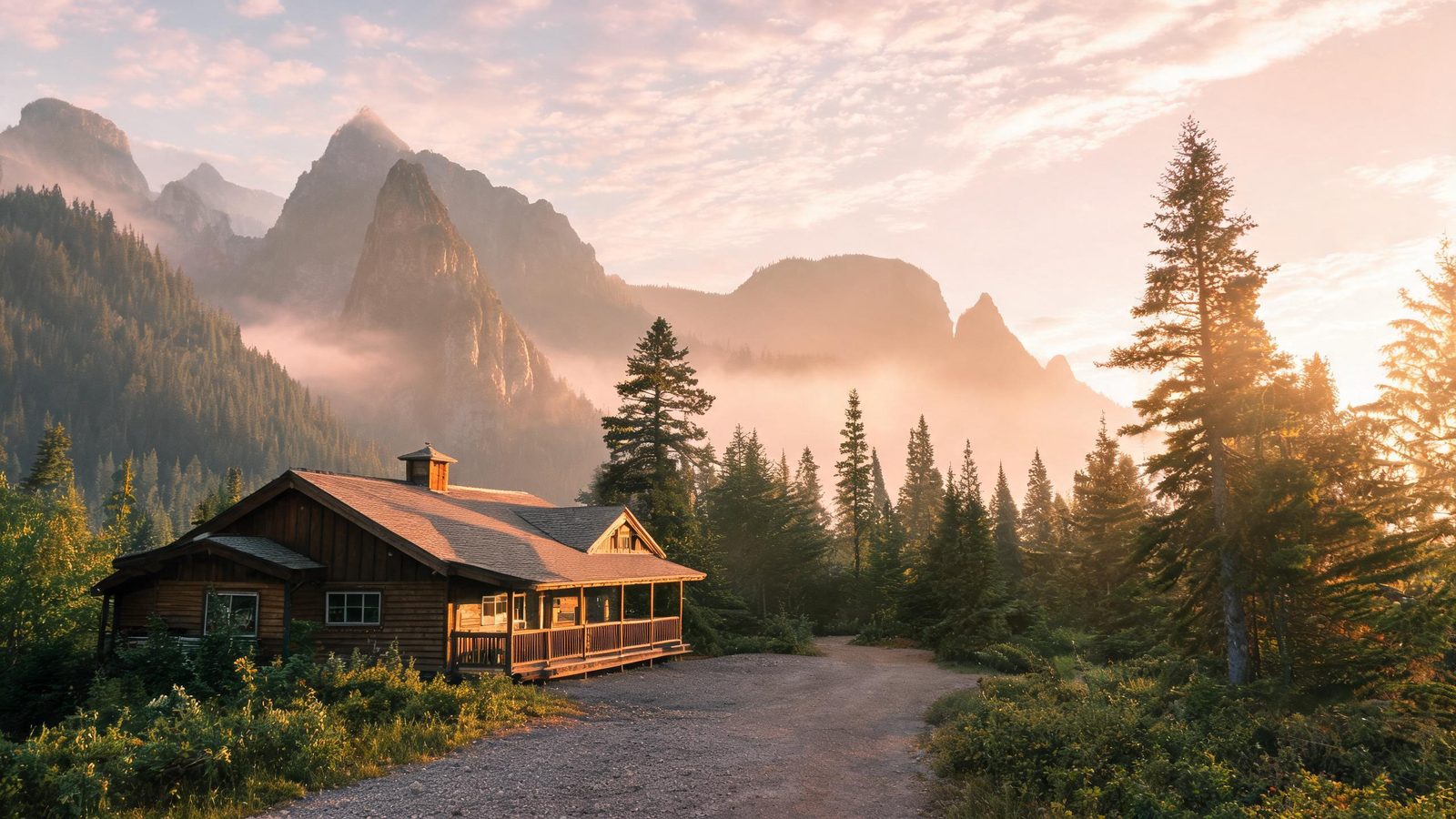
The park website loads, the calendar opens, and the dates you wanted are gray. A timed-entry window is full. The campground has a waitlist. The permit lottery closed last month. National park planning has become a reservation exercise, and the anxiety is real.
The fix is not to refresh the page faster. It is to plan in a different order: decide the season, choose a base, book the one thing that requires a reservation, and build the rest around alternatives that do not.
Start with the season, not the national park
Most parks have a short peak season and a longer shoulder season. A visit in late spring or early fall can be cooler, quieter and easier to book. A visit in July may require permits for things that are open in October.
Check the park's typical weather, road closures and facility openings before you choose dates. A campground that is open in July may close in October. A trail that is accessible in summer may be snow-covered in spring. The reservation calendar is not the only constraint.
If you are flexible, pick two weeks, not two days. A wider window gives you a better chance at a campsite or a timed-entry slot.
Book the one national park reservation that cannot wait
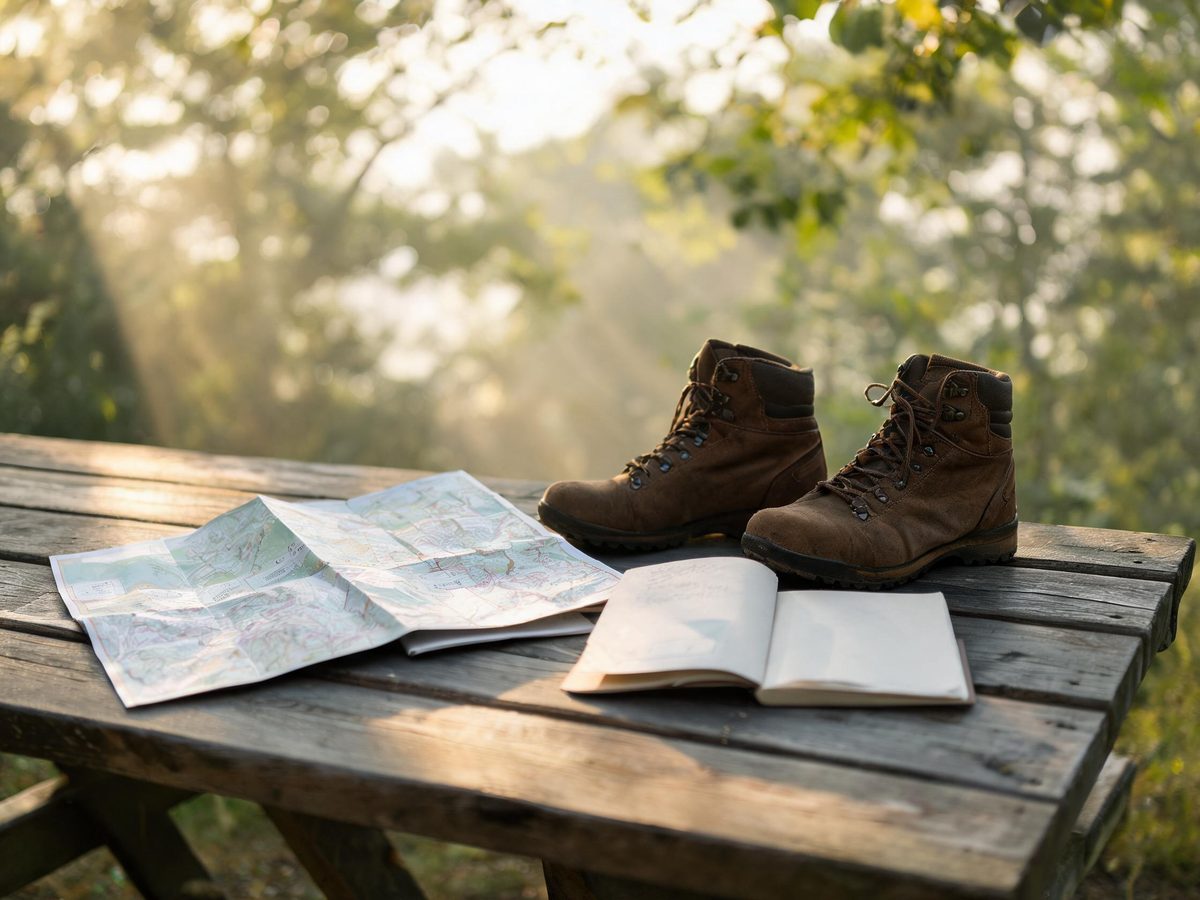
Some parks require timed entry to drive a main road or enter a specific area. Others require a permit for a popular hike or a backcountry route. Campground reservations may open months in advance. Decide which of these is essential to your trip, then book it first.
Use the official park page and recreation.gov, not a third-party reseller. A reseller may charge a fee for a free permit or sell a reservation that cannot be transferred. If a site looks too good to be true, check the official source.
Set a reminder for the reservation opening date. Some windows open at a specific hour and fill quickly. Have your account created and your vehicle information ready before the window opens.
Build a base outside the park
Gateway towns often have motels, campgrounds and restaurants that are easier to book than park lodging. A base 30 to 60 minutes from the entrance can make a sold-out park feel manageable. You lose some convenience and gain flexibility.
Check the drive time, not just the distance. A 25-mile road can take an hour in summer traffic. A base that looks close on paper can still be a slow drive at the entrance gate.
If you are camping, look at nearby national forest or Bureau of Land Management campgrounds. They may not be inside the park, but they can be close, cheaper and less booked. Confirm that the road is passable for your vehicle and that the campground is open.
Keep a plan B and a plan C
List three things you want to do each day: one reservation-dependent activity, one that requires only a drive, and one that works on foot from your base. If the reservation falls through, the day still has a shape.
Examples: a timed-entry scenic drive, a state park trail nearby, and a town museum. Or a permit hike, a ranger-led talk, and a picnic at a lake. The point is to avoid a day that depends on one slot.
Know the park entry rules
A timed-entry reservation is not a park pass. You may still need an entrance fee or an annual pass. A campground reservation is not a backcountry permit. A permit for one trail does not cover another.
Print the confirmation or save it offline. Cell service inside the park can be unreliable. Bring the reservation number, the license plate and the names on the booking. A ranger at the entrance may ask for all three.
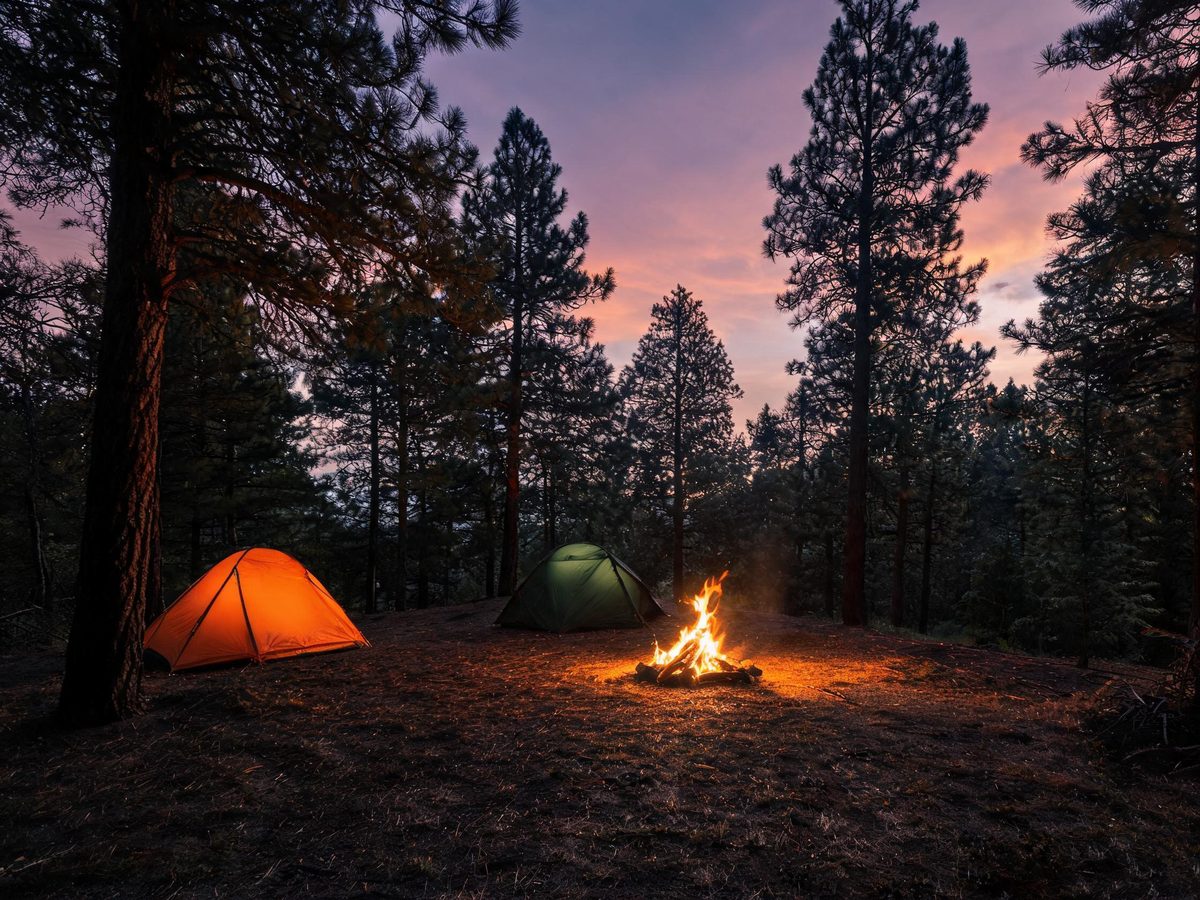
Check the park's rules about vehicles, pets and fires. A dog that is welcome in a campground may not be allowed on a trail. A fire that is allowed in a fire ring may be banned during a dry spell.
When national park reservations are sold out
Look at the shoulder season, a nearby park, or a different entrance. Some parks are crowded at one gate and quiet at another. Some have a shuttle system that makes a distant lot easier than the main entrance.
Consider a weekday visit instead of a weekend. Consider a shorter stay at a less popular campground. Consider a state park with similar scenery and fewer reservations. The national park label is not the only measure of a good trip.
Do not buy a reservation from a stranger on social media. Permits and campsite reservations are often nontransferable. A canceled booking may not be valid at the gate.
A national park planning order that works
- Pick a season and a two-week window.
- Read the park's current reservation and permit rules.
- Book the essential timed entry or permit.
- Book a base, inside or outside the park.
- Write a plan B for each day.
- Save confirmations offline and print the key ones.
- Check weather, road closures and fire restrictions two days before.
Write the reservation number, the backup campground and the nearest grocery store on one page. If the gate closes, that page is more useful than a perfect itinerary.
Sources and further reading
About the author
Dana Whitfield
Dana writes about rail, road trips and public lands, with an eye for plans that survive contact with reality. She keeps a running list of campgrounds worth a second visit.
Travel and public lands · Portland, Oregon