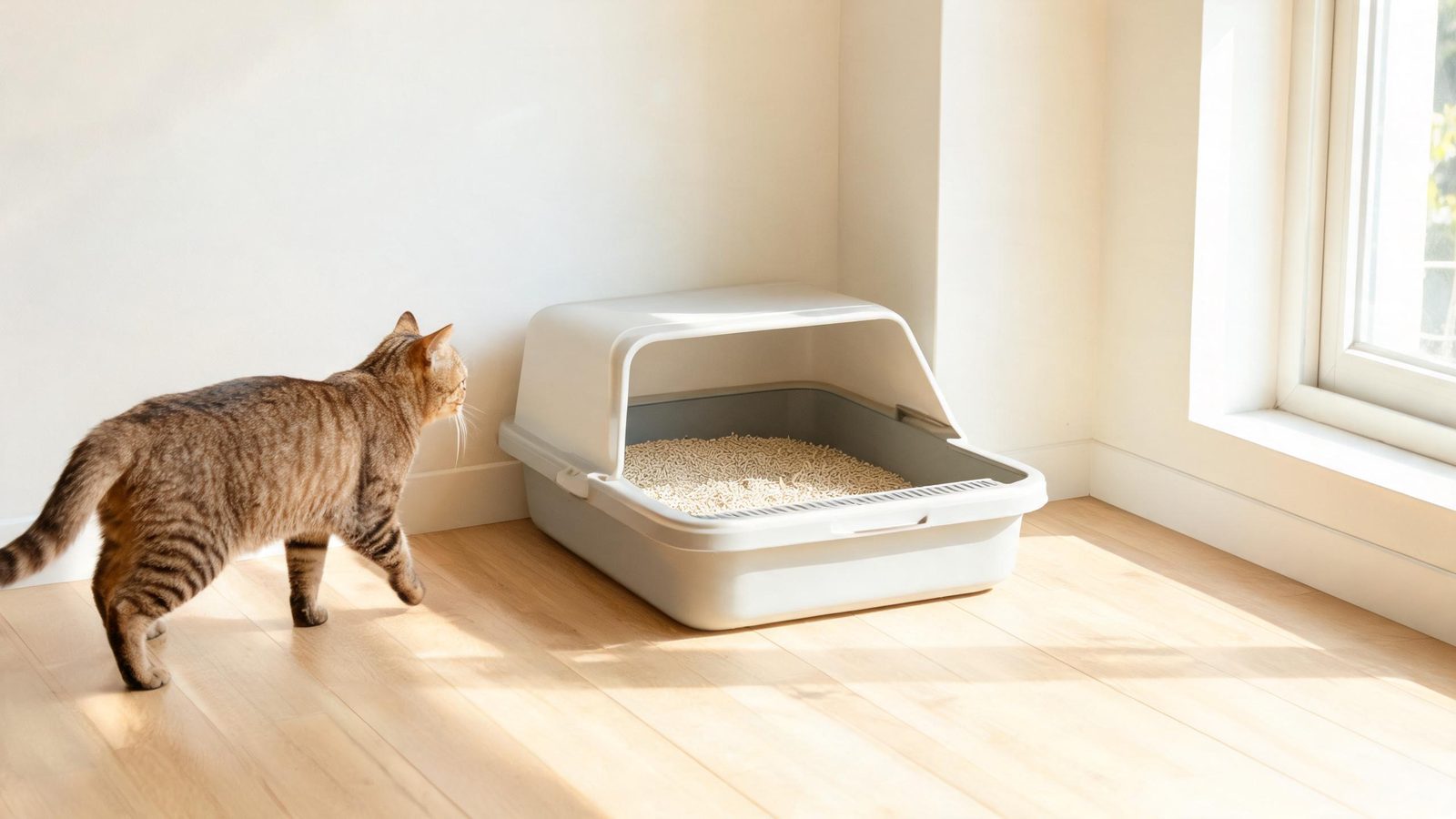
A cat that urinates outside the box is not being spiteful. It is responding to a setup that feels wrong, a medical problem, or both. The box is one of the few parts of a cat's environment we control completely, and small changes can fix a lot.
Start with the variables cats care about: size, depth, litter texture, placement and cleanliness. Then rule out health problems with a vet. A litter-box fix will not solve a urinary blockage.
Size and depth for a cat litter box
Many cat-care guides suggest a box roughly one and a half times the length of the cat, not counting the tail. Commercial boxes are often too small for an adult cat. A plastic storage bin with a cut-down entrance is a common, inexpensive upgrade.
Depth matters for digging. Aim for at least three inches of unscented clumping litter, more for a cat that digs deeply. A box that is too shallow forces the cat to touch the bottom, and a box that is too deep is hard for an older cat to enter.
Covered or open: what cats choose
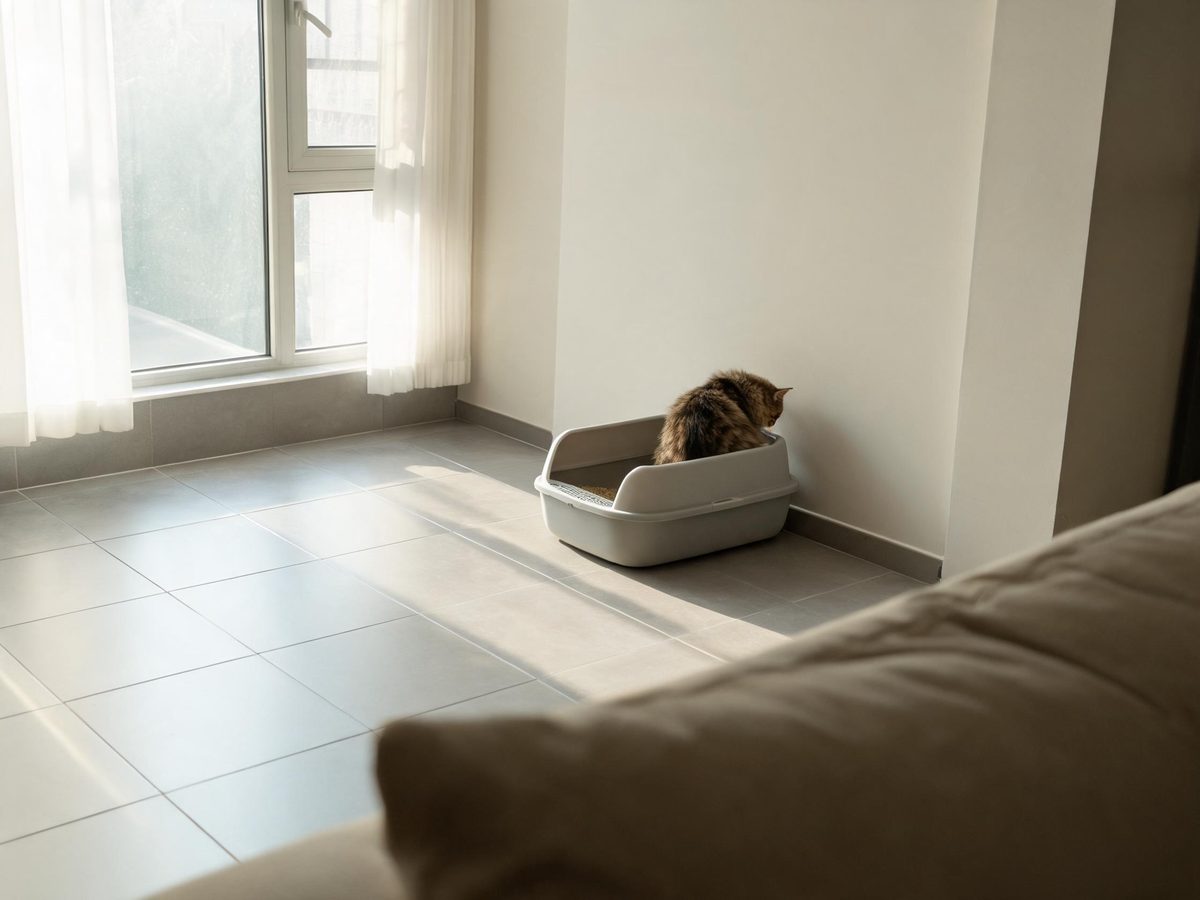
Most cats prefer uncovered boxes. A cover traps odor and reduces the cat's ability to see what is coming. If you already have a covered box and the cat uses it, leave it alone. If the cat avoids it, remove the lid before buying a new box.
A covered box can work in a small apartment, but it needs more frequent cleaning and a larger interior. Avoid covered boxes with scented liners or scented litter.
Litter texture and scent
Unscented, fine-grained clumping litter is the most common recommendation. Scented litter is for humans, not cats. A cat's nose is more sensitive, and a strong perfume can make the box unpleasant.
If you change litter, do it gradually. Mix the new litter with the old over a week. A sudden switch can cause avoidance. Avoid crystal litter if the cat has sensitive paws; the texture can be sharp.
Do not use clumping litter for a very young kitten, or for a cat that might eat it. Ask a vet for the right product for a young or fragile cat.
Where the litter box goes
Put the box in a quiet, accessible place. Avoid a busy hallway, a laundry room with a slamming door, or a corner where the cat is trapped. The cat needs an escape route.
Keep the box away from food and water. Cats prefer separate areas for eating and eliminating. If the box is next to the food bowl, some cats will choose a different spot in the house.
In a multi-cat home, spread the boxes out. A cluster of boxes in one room can create a traffic problem. Many behavior guides suggest one box per cat plus one, but the placement matters as much as the number.
The cat litter box cleaning routine
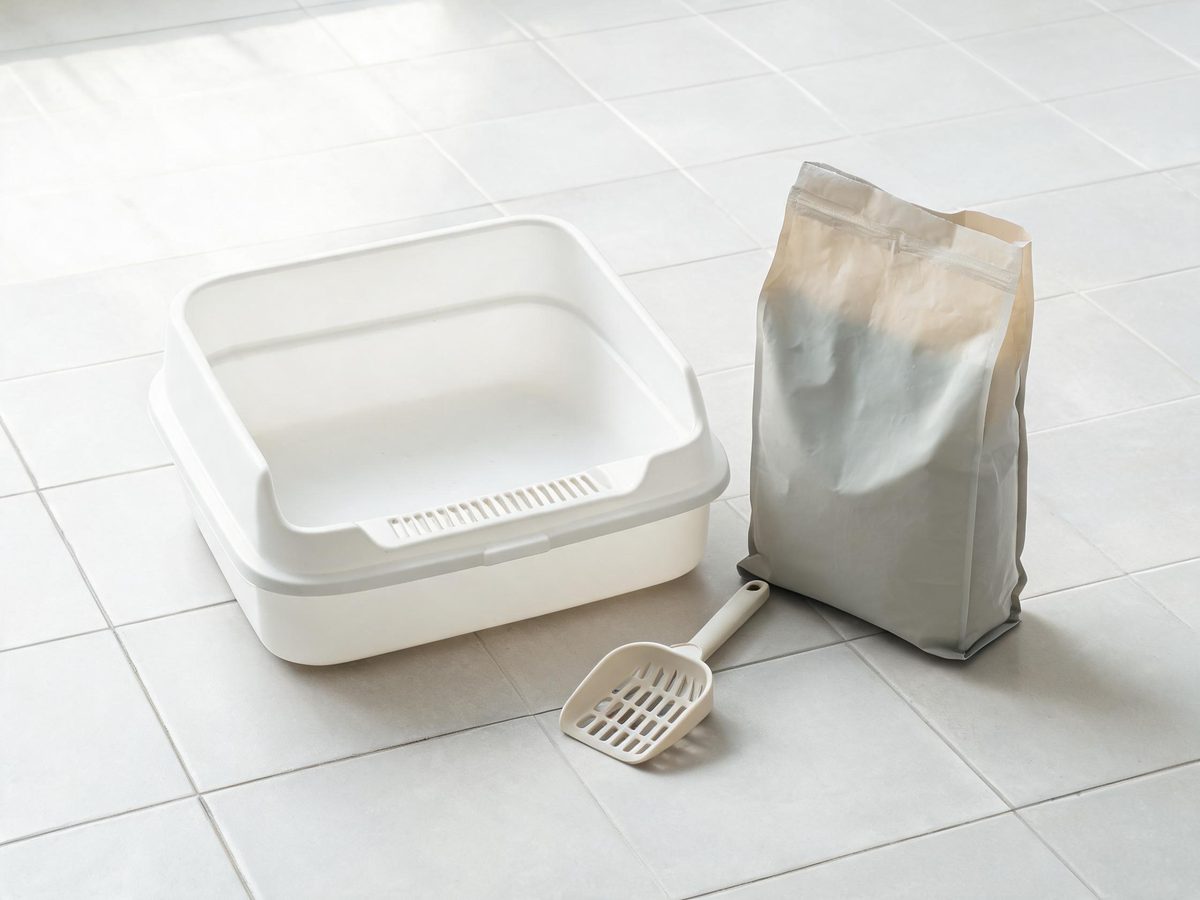
Scoop at least once a day, ideally twice. Cats are fastidious, and a box with several deposits is a reason to choose the rug. Wash the box with mild soap and water weekly; avoid strong cleaners and bleach fumes.
Replace the litter completely when it stops clumping or smells sour. A box that is scrubbed but never emptied can hold odor in the plastic. If the box is scratched and porous, replace it.
Wash your hands after cleaning. If you are pregnant or immunocompromised, ask your clinician about toxoplasmosis precautions and whether someone else should handle the box.
When the cat avoids the litter box
First, rule out a medical problem. A cat that strains, cries, licks its genitals, or produces only a few drops may have a urinary issue. A male cat that cannot urinate is an emergency. Do not wait until morning.
If health is fine, look at the setup. A new litter, a moved box, a new pet, a houseguest or a dirty box can all trigger avoidance. Cats are sensitive to change, and the box is often the first place they show it.
Do not rub the cat's nose in waste or punish it. That increases stress and teaches the cat to avoid you, not the box. Clean the spot with an enzymatic cleaner and make the box more appealing.
Temporary measures can help: add a second box, put the box where the cat is choosing to go, and keep the area quiet. If the problem continues, ask a vet or a behavior professional for a plan.
A setup that works
- Box: large, uncovered, low entry, easy to clean.
- Litter: unscented, fine clumping, three inches deep.
- Place: quiet, accessible, away from food and water.
- Cleaning: scoop daily, wash weekly, replace litter fully.
- Count: one per cat plus one, spread across the home.
- Health: vet first if the cat strains, cries or stops using the box.
Make the box easy to reach, quiet and clean enough that the cat never steps on soiled litter. If avoidance continues, book a vet visit; the box is only one part of the answer.
Sources and further reading
About the author
Priya Raman
Priya covers everyday animal care, shelter adoptions and the practical side of sharing a home with pets. Her guides focus on setup, routine and when to call a veterinarian.
Pets and household care · Atlanta, Georgia