
A menu is written to sell, but it is also a set of instructions. “Braised” tells you the meat was cooked low and slow in liquid. “Confit” tells you it was cooked in fat at a low temperature. “Shaved” tells you the ingredient was cut thin enough to soften under heat or dressing.
Learning a dozen verbs turns the menu from a list of nouns into a description of work. That helps you predict texture, wait time and price, and it makes the questions you ask a server more specific.
Menu verbs that matter most
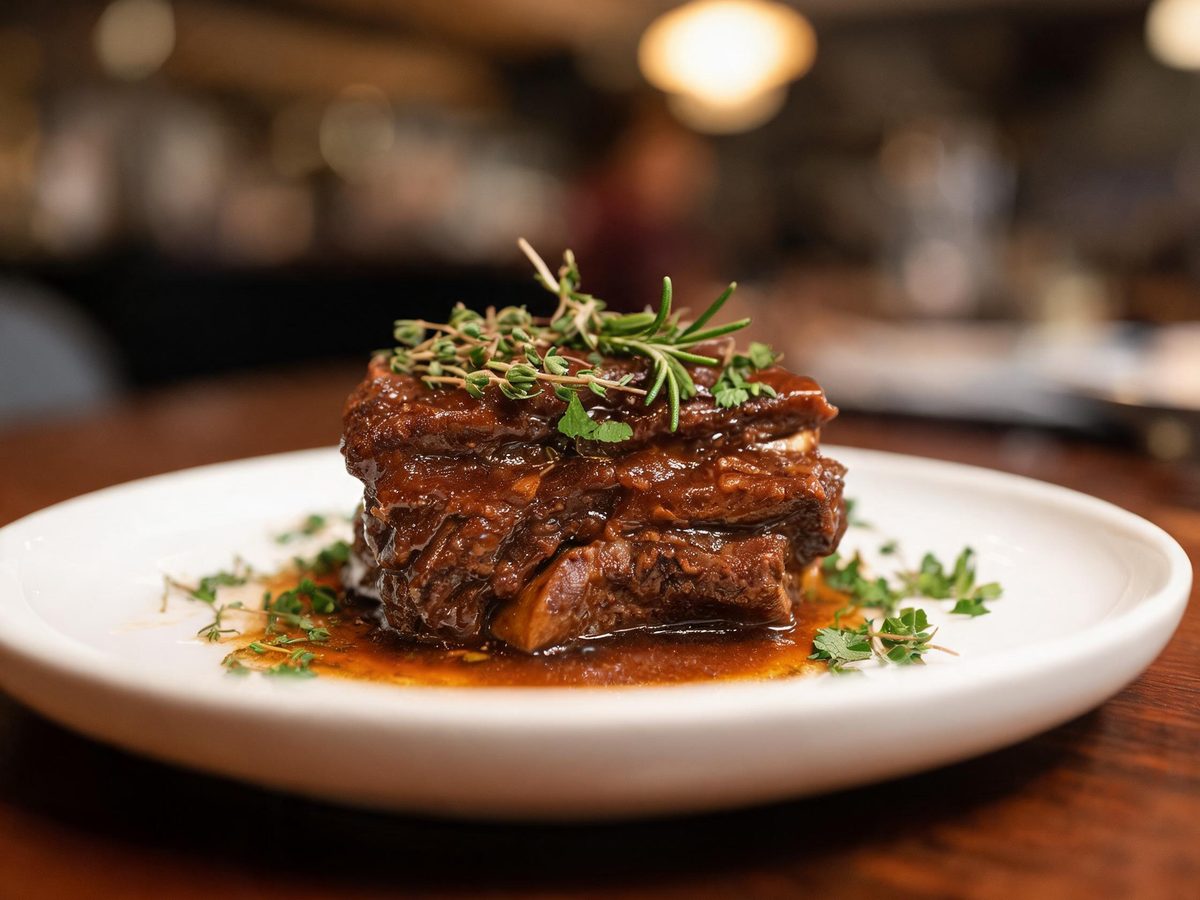
Braise. Meat or vegetables cooked with moist heat over a long period. The result is tender and rich, and the dish usually takes time. If a braise arrives ten minutes after you order, it was probably prepared ahead and reheated, which is normal for many restaurants.
Sear. High heat, quick surface browning. A seared scallop or steak should have a dark crust and a moist center. “Pan-seared” usually means a skillet, not a grill.
Confit. Cooked slowly in fat. Duck confit is the classic example; the technique can also apply to garlic, tomatoes or pork. The result is silky, not greasy, when done properly.
Roast. Dry heat in an oven. Roasted vegetables should be browned at the edges and tender inside. “Roasted” and “baked” are close, but roast often implies higher heat and more color.
Poach. Gentle cooking in liquid below a boil. A poached egg or fish should be soft and delicate. If the menu says poached and the plate arrives dry and rubbery, the technique went wrong.
Shaved. Cut into thin slices, usually with a mandoline. Shaved fennel, parmesan or vegetables are about texture and raw flavor.
Menu adjectives that describe cost, not quality
“Market price” means the kitchen has not fixed a number, usually because the ingredient is seasonal or volatile. Ask for the price before you order. A good server will tell you without hesitation.
“Local” can mean grown nearby, or it can mean sourced through a distributor that buys from nearby farms. Neither definition is dishonest, but they are not the same. If sourcing matters to you, ask which farm or region.
“House-made” usually means made in the restaurant, but it can refer to a single component. “House-made ricotta” is specific; “house-made” on a sauce may be less so.
“Fresh” is a word with little legal meaning on a menu. “Fresh frozen” is a real category in some supply chains. Ask what is actually fresh that day if the distinction matters.
What menu design says about the kitchen
A short menu often means a smaller kitchen with a tighter inventory. A very long menu can mean a large operation with a lot of prep, or a kitchen relying on frozen components. Neither is automatically better. The question is whether the food arrives at the level the menu promises.
Look for a date or a “changes daily” note. It suggests the kitchen cooks with what it has. Look for a separate vegetarian or gluten-free section; it suggests someone thought about substitutions before the rush. Look for a clear description of heat levels; it suggests the kitchen respects the customer's tolerance.
If the menu is full of adjectives and no technique words, the kitchen may be selling an idea rather than describing food. That is not automatically bad. It is a signal to ask more questions.
Reading a menu for allergies and substitutions
Menu descriptions are not allergen lists. A dish can contain dairy in a sauce, gluten in a marinade, or nuts in a garnish that the description does not mention. If you have an allergy, ask about ingredients and cross-contact, not just the dish name.
Substitutions are easiest when they do not change the technique. Asking for a burger without onions is simple. Asking for a braise to be cooked without its liquid is not. Ask what can be changed before you assume.
What a menu price actually tells you
A high price can reflect an expensive ingredient, a long cook, a small kitchen's overhead, or a location with high rent. It is not proof of quality. A low price can be a loss leader, a simpler dish, or a lower-cost operation.
Compare dishes, not restaurants. Two dishes at the same price are not the same proposition. The pasta may be handmade with a long sauce; the steak may be a small cut with a quick sear. The menu tells you which one involves more labor.
A short menu glossary for the next dinner
| Word | What it usually means |
|---|---|
| Braise | Low, slow, moist heat; tender result |
| Sear | High heat; browned surface, quick cook |
| Confit | Slow cook in fat; silky texture |
| Poach | Gentle liquid cooking; delicate texture |
| Shaved | Thin slices; raw or lightly dressed |
| Reduction | Liquid simmered down to concentrate flavor |
| Rémoulade | Cold sauce, often mayonnaise-based with mustard or herbs |
| Market price | Price set by current ingredient cost; ask |
Learn the verbs that change texture, ask about the words that change price, and compare dishes rather than restaurants. The plate rarely surprises you when the menu was read as a description of work.
Sources and further reading
About the author
Colin Reyes
Colin writes about regional foodways, restaurant operations and how to order well without guessing. He spends his weekends at counters, market stalls and barbecue pits.
Food and regional reporting · Kansas City, Missouri